
Medical Waste in Developing Countries
Exploring the urgent need for effective management and disposal solutions to mitigate health and environmental risks
9/29/2024
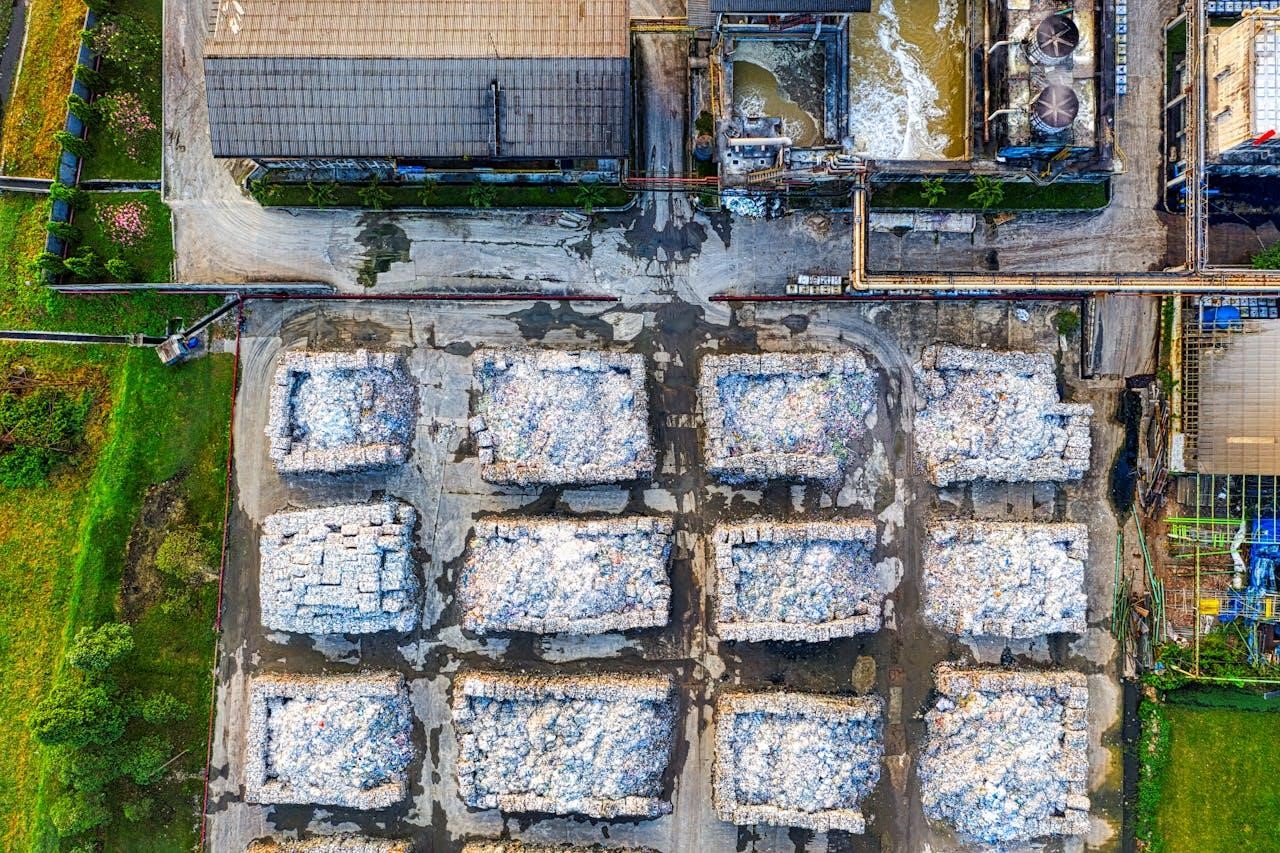
Numerous hazardous wastes are produced by healthcare operations, which call for careful handling and disposal procedures. According to the World Health Organization (WHO), about 75% of the waste produced in healthcare facilities can be classified as non-hazardous. However, some materials are deemed too hazardous to be recycled and reused without pretreatment.
Waste Processing Issues in Developing Countries
Countries all over the world are imposing stringent regulations regarding the segregation, retrieval, and transportation of medical waste due to its rising volume. However, when it comes to effective hospital waste management (HWM), not all countries have the same capability. Developing countries, in particular, are resource-constrained.
For instance, improper sanitation procedures frequently lead to the blending of hazardous and regular waste, which may raise the expense of disposal and treatment. In addition, a lack of immunization, inadequate healthcare, and inadequate nourishment may make people more vulnerable to infection from neglected medical waste.
Solving Waste Processing Issues and Challenges
Fundamentally, HWM still faces numerous obstacles in developing nations, necessitating a critical evaluation and expansion of the health care infrastructure. When resources are scarce, preventative measures like source separation of waste can help lower the environmental impact and disposal costs associated with hospital waste.
In this situation, proper training for the waste management staff may also be beneficial. It is also possible to lease out waste disposal tasks to outside experts, which will increase employment and lower poverty. In conclusion, developing nations must create dynamic policies for safer, cleaner medical care waste management.