
Where Do Solid and Liquid Medical Waste Go?
4/15/2020
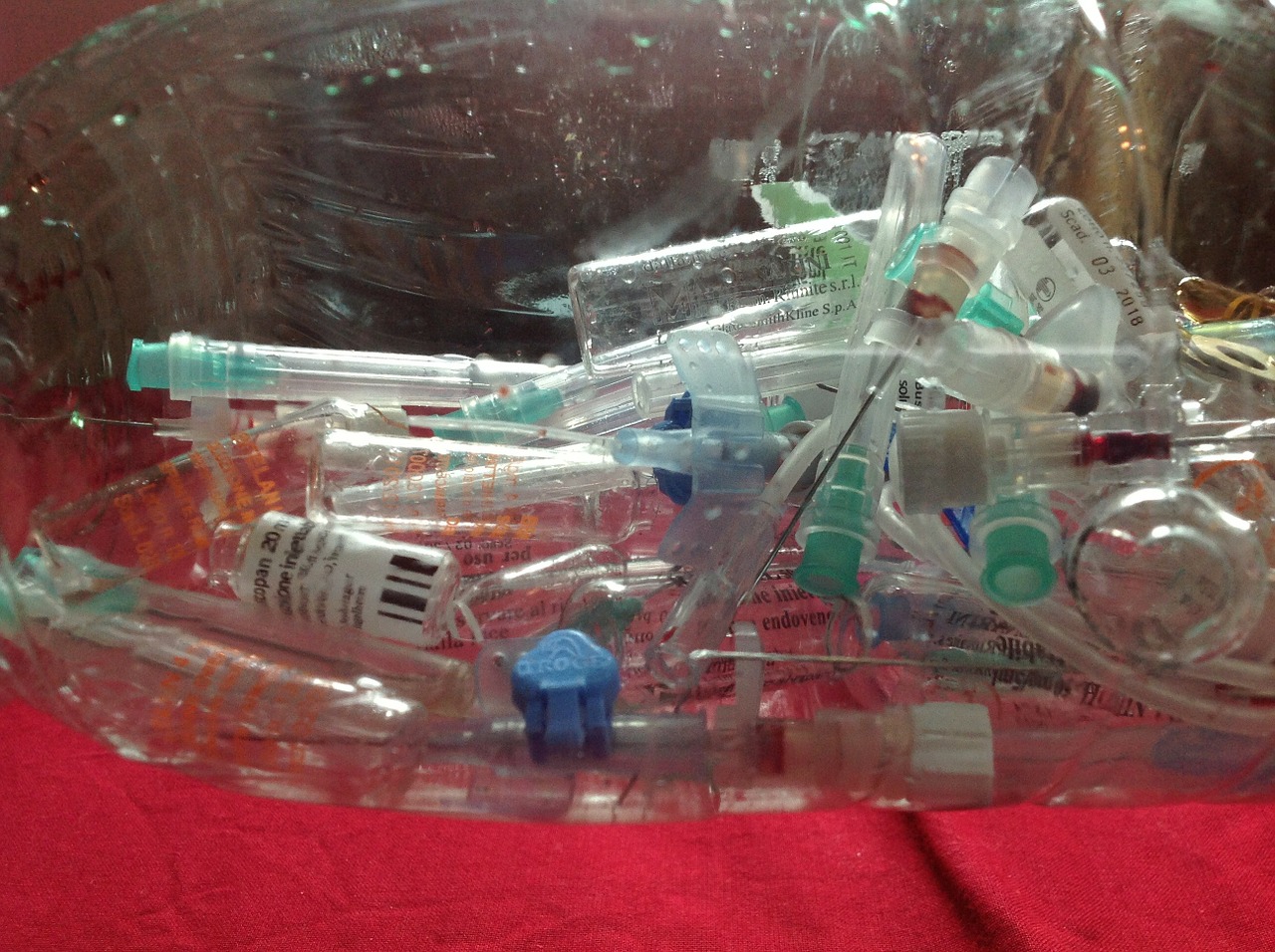
Recently, many more people have become more active with environmental awareness. This includes people in the healthcare industry. They want to reduce hospital waste, but the standards for recycling materials are more different and stricter. By definition, hospital waste refers to solid waste used to treat, diagnose, and immunize humans or animals. The question remains regarding when, where, and how hospital waste is disposed of. There is no single answer to these questions since every institution has different waste disposal practices and regulations. Hospital waste is divided into four groups: hazardous, radioactive, infectious, and “others.” Except “others'', all the three groups take up a small part of hospital waste. Nevertheless, these have the most concern. Most of the waste generated in hospitals is related to food or packaging which is similar to waste generated in other public facilities. The OR or operating room is one of the departments that produce a lot of waste, but it also has the advantage of lessening it. This can be made possible by proper waste segregation and fluid management. If not done, waste just goes to a landfill, incinerator, or autoclave. Medical tools, paper, packaging, plastic, or food need to be determined whether they can be recycled or not. For the items that can be recycled, they are segregated, collected, and made into new items. Meanwhile, for items that need to be disposed of, they are placed in small and large bags. Then, a contract service gets these bags, sterilizes the waste materials, and shreds them before completely dumping them.