
What Is Infectious Medical Waste?
A detailed exploration of infectious medical waste and its implications for health and safety
9/29/2024
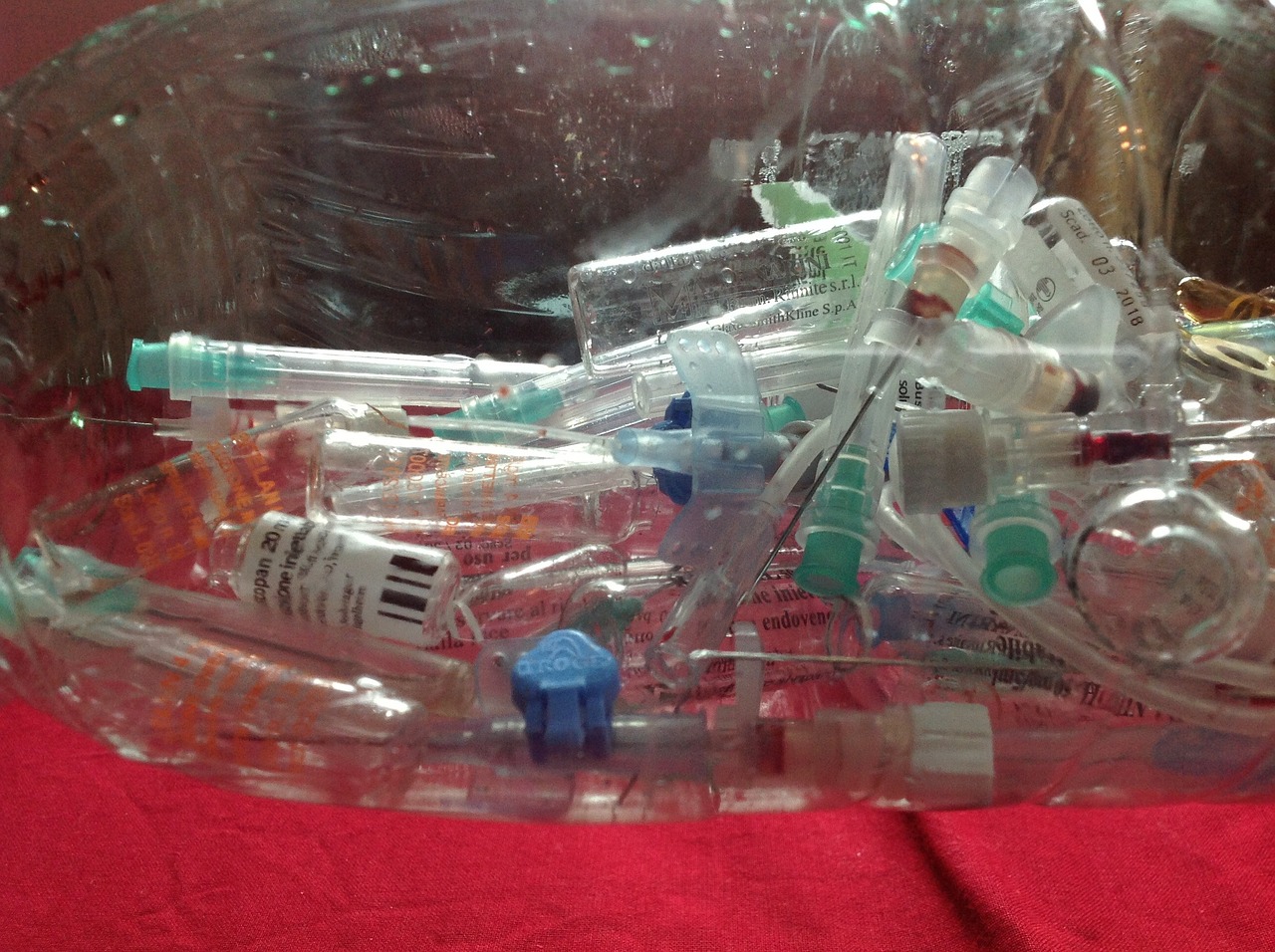
Infectious waste is defined as waste material that has the potential to spread infection. It is typically found in medical facilities or related industries. This includes items like used medical gloves, wipes, and sharps that have come into contact with blood or other bodily fluids.
Appropriate disposal of infectious waste is necessary to prevent the spread of infections and protect public health. The following discusses the most common types of infectious waste to which patients or medical staff may be exposed.
1. Blood and Pathological Waste
Plasma, serum, and other blood constituents are examples of blood products. Conversely, tissues or body parts taken from a human or animal are referred to as pathological waste. Either unintentionally or surgically, they are removed with the intention of being disposed of.
2. Sharps
Sharps can also include pipettes, syringes, and other discarded glass items that contain infectious agents, in addition to scalpels, needles, and blades. They can pierce or cut the skin, so they need to be handled carefully.
3. Teeth
Teeth are categorized as an infectious waste type in several US states. The Occupational Health and Safety Administration's Blood-borne Pathogen Standard applies to teeth extractions, according to the CDC. Accordingly, extracted teeth may contain infectious materials.
4. Chemotherapy Waste
Depending on the patient's condition, chemotherapy waste may also be contagious. It also depends on how the chemotherapy medications are administered because there is a chance that bodily fluids like blood could be transferred from one person to another.