
Top Ways to Segregate Biomedical Waste
5/17/2022
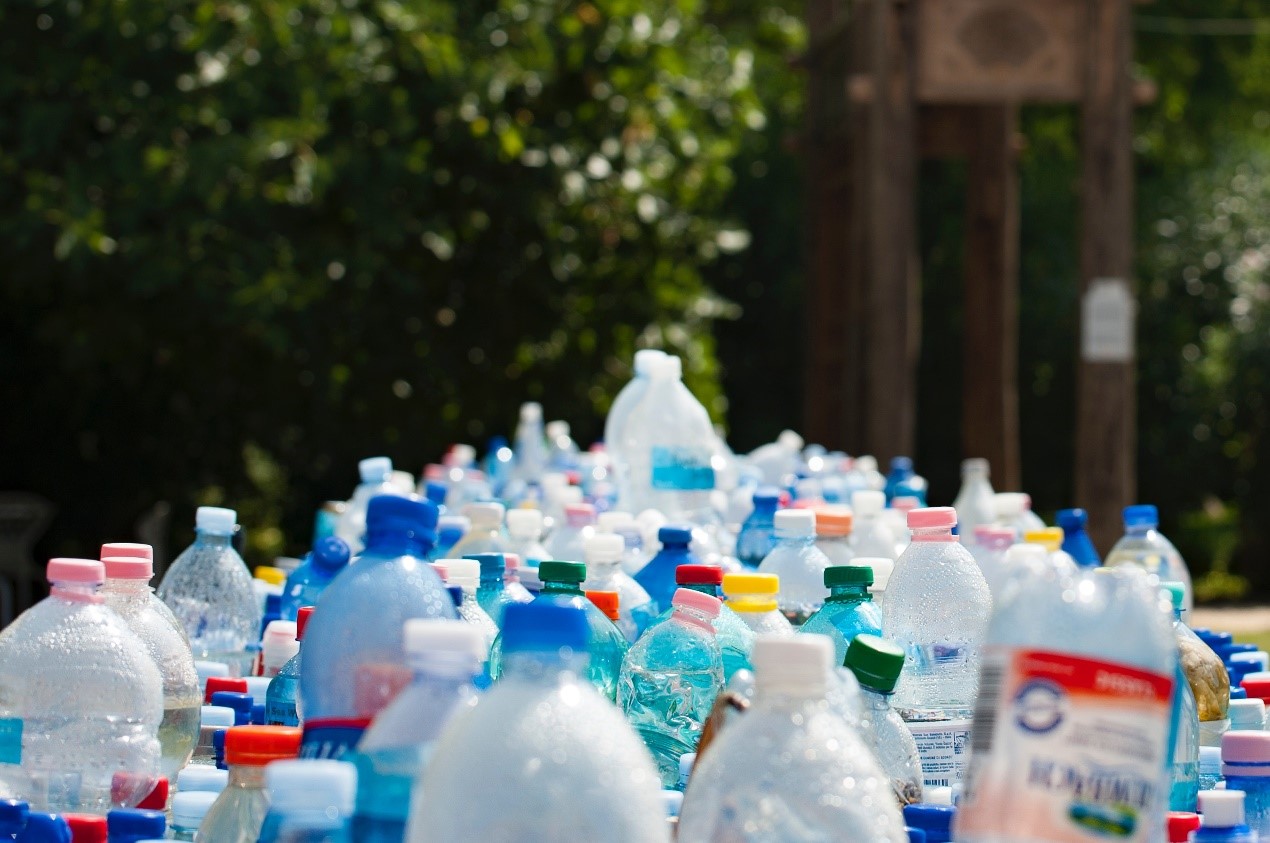
To segregate medical waste means to separate them into its designated categories to reduce the associated risks and maximize the cost of disposal and handling.
Here are the crucial steps for effective management of medical waste:
1. Bin labeling
Ensuring that all the bags and bins are properly labeled is the first step in properly segregating the medical waste. These bins usually have biohazard symbols that indicate what waste should go into them.
2. Types of waste
There are different types of bio-medical waste, and they all need to be considered when segregating them. For example, there is human waste like organs, body parts, and tissues. There is also soiled waste, like plaster casts, bandages, catheters, tubes, and blood-contaminated materials.
3. Categorizing the Waste
To properly contain the medical waste, the best way is to assign a color to the bins that will hold specific waste. Here’s a look at the standardized category for disposing of medical waste:
• Yellow bin - Human waste, animal waste, soiled waste or expired medicines, liquid chemical waste, discarded mattresses, and linens.
• Red bin - This should contain recyclable contaminated waste such as bottles, tubing, intravenous sets, tubes, and catheters.
• Blue bin - Glassware, whether discarded or broken, should be placed inside this bin.
• White bin - The waste that should be placed into this are sharp materials like needles and syringes.
Bottom Line
Segregation is important to reduce the needs associated with special treatment and handling of medical waste. An effective process will prevent medical waste from getting mixed with other trash, which could be harmful to those who get into contact with them.
Here are the crucial steps for effective management of medical waste:
1. Bin labeling
Ensuring that all the bags and bins are properly labeled is the first step in properly segregating the medical waste. These bins usually have biohazard symbols that indicate what waste should go into them.
2. Types of waste
There are different types of bio-medical waste, and they all need to be considered when segregating them. For example, there is human waste like organs, body parts, and tissues. There is also soiled waste, like plaster casts, bandages, catheters, tubes, and blood-contaminated materials.
3. Categorizing the Waste
To properly contain the medical waste, the best way is to assign a color to the bins that will hold specific waste. Here’s a look at the standardized category for disposing of medical waste:
• Yellow bin - Human waste, animal waste, soiled waste or expired medicines, liquid chemical waste, discarded mattresses, and linens.
• Red bin - This should contain recyclable contaminated waste such as bottles, tubing, intravenous sets, tubes, and catheters.
• Blue bin - Glassware, whether discarded or broken, should be placed inside this bin.
• White bin - The waste that should be placed into this are sharp materials like needles and syringes.
Bottom Line
Segregation is important to reduce the needs associated with special treatment and handling of medical waste. An effective process will prevent medical waste from getting mixed with other trash, which could be harmful to those who get into contact with them.