
The Issues with Asian Medical Waste Management
11/3/2023
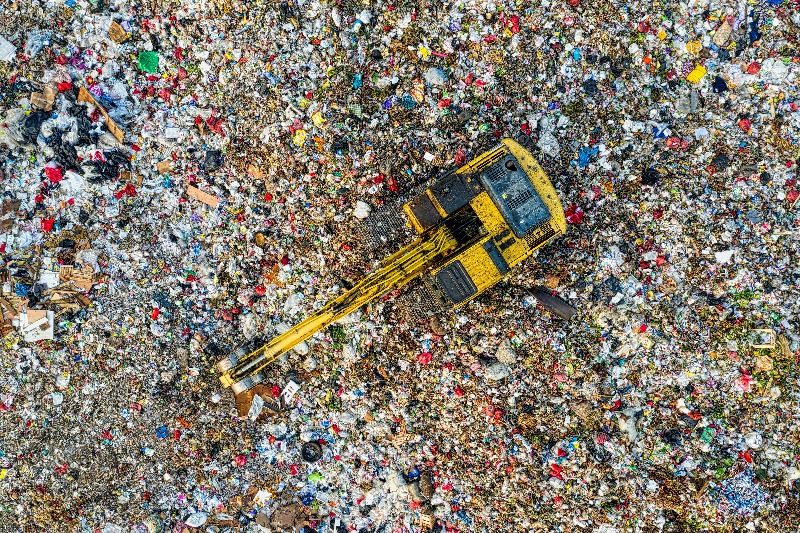
Asian developing nations have large populations along with severely limited resources. Thus, there are significant risks to the environment and public health when there is inadequate healthcare waste management in these areas.
How Asian Countries Manage Medical Waste
It is a common occurrence for many Asian nations to neglect to implement proper healthcare waste management. Furthermore, there is a severe lack of facilities in these nations for the proper gathering, transportation, disposal, and segregation of waste.
The absence of waste segregation is the main problem in many Asian nations. There are typically no regulated medical sites for the disposal of medical waste, and medical waste is frequently combined with general waste.
Treatment of medical waste is also far from ideal. Incinerators continue to be widely used. Medical waste materials are burned in the open air by clinics, dispensaries, and even certain public hospitals.
When it comes to incinerators, they rarely function as intended. Rather, they lack close supervision and resemble a backyard trash burner. Of course, this puts the broader public at risk of infections and pollution.
Many communities collaborate with NGOs to address these issues. An Indian non-profit organization called SRISTI, for instance, uses the legal system to pressure the government to force healthcare facilities to employ non-burn medical waste management methods.
The Takeaway
Asian governments and healthcare facilities should take the lead in changing policies and practices in light of the ongoing issues with medical waste management. For appropriate medical waste management, demand and pressure from society are also required.