
Should Medical Waste Disposal Regulations be Updated?
1/17/2023
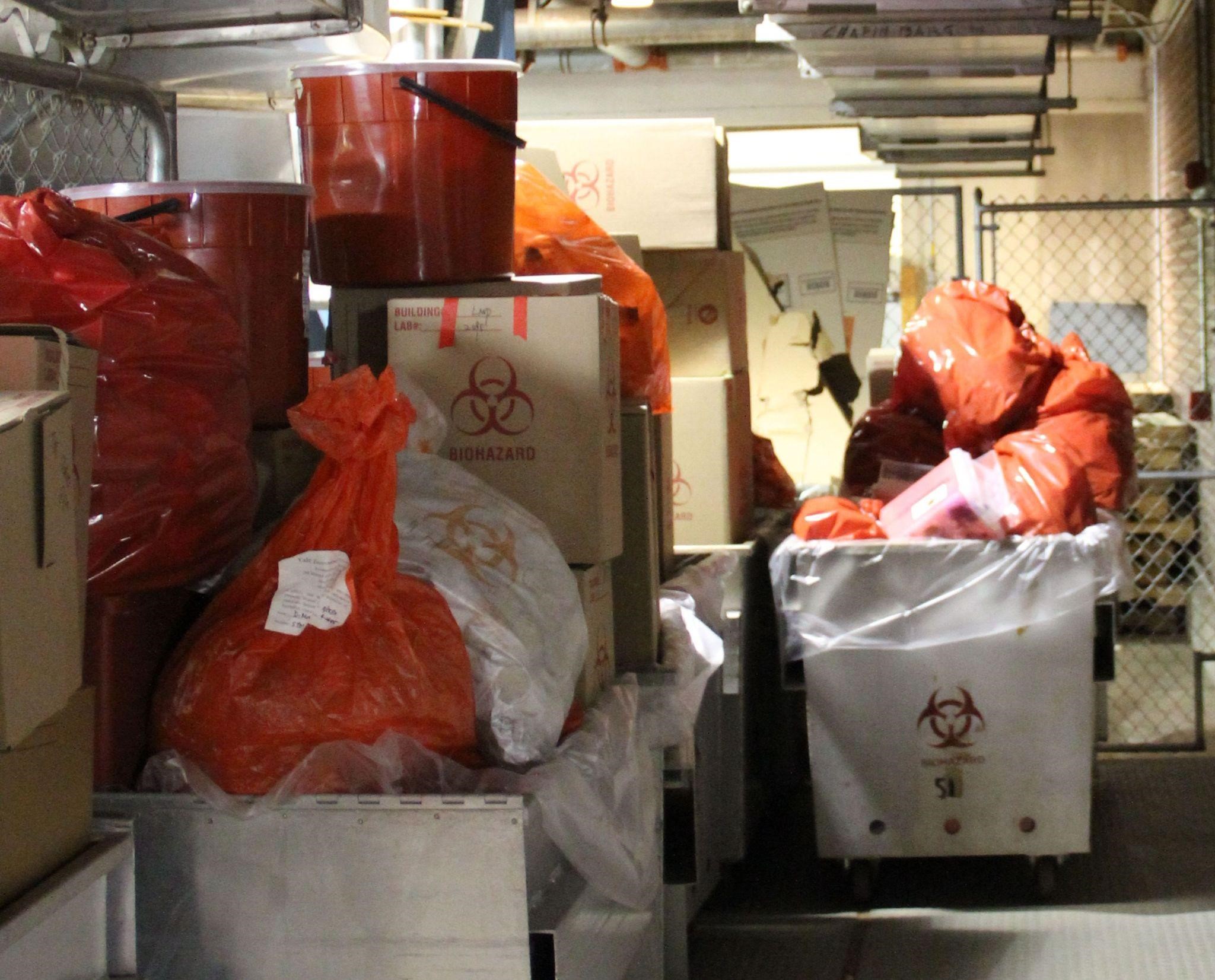
What is medical waste?
Medical waste comes from healthcare facilities such as hospitals, clinics, blood banks, and laboratories. This kind of waste is usually contaminated with body fluids, blood, and other substances that might cause an infection.
Due to its nature, proper medical waste disposal regulation is necessary to keep the general populace safe. Regulation is also important to protect land and water resources.
Waste Disposal Regulations: A Brief History
In the 1980s, the United States Congress contacted the EPA due to a public safety concern. There was a rise in medical waste being washed up on some of the coastal beaches in the east.
To answer the congress’ call, the EPA conducted a two-year program which started on March 24, 1989. This program was called the Medical Waste Tracking Act of 1989 which included the regulations for proper waste disposal. This program was also used to research whether or not medical waste was harmful to people. After two years, it was concluded that there is only a lower risk for the public to get diseases from being exposed to medical waste compared to healthcare workers.
However, each state took it as its responsibility to start regulating medical waste. They are still using the guidelines included in the program.
Conclusion
As far as recent studies are concerned, there is no need to update the medical waste disposal regulations. The guidelines included in these regulations before are still relevant now. No evidence shows the negative effect of traditional waste disposal on our environment today. It was also found in these studies that residential waste is more harmful than medical waste.