The Future of Medical Waste Disposal: 2025 Trends You Need to Know
7/8/2025
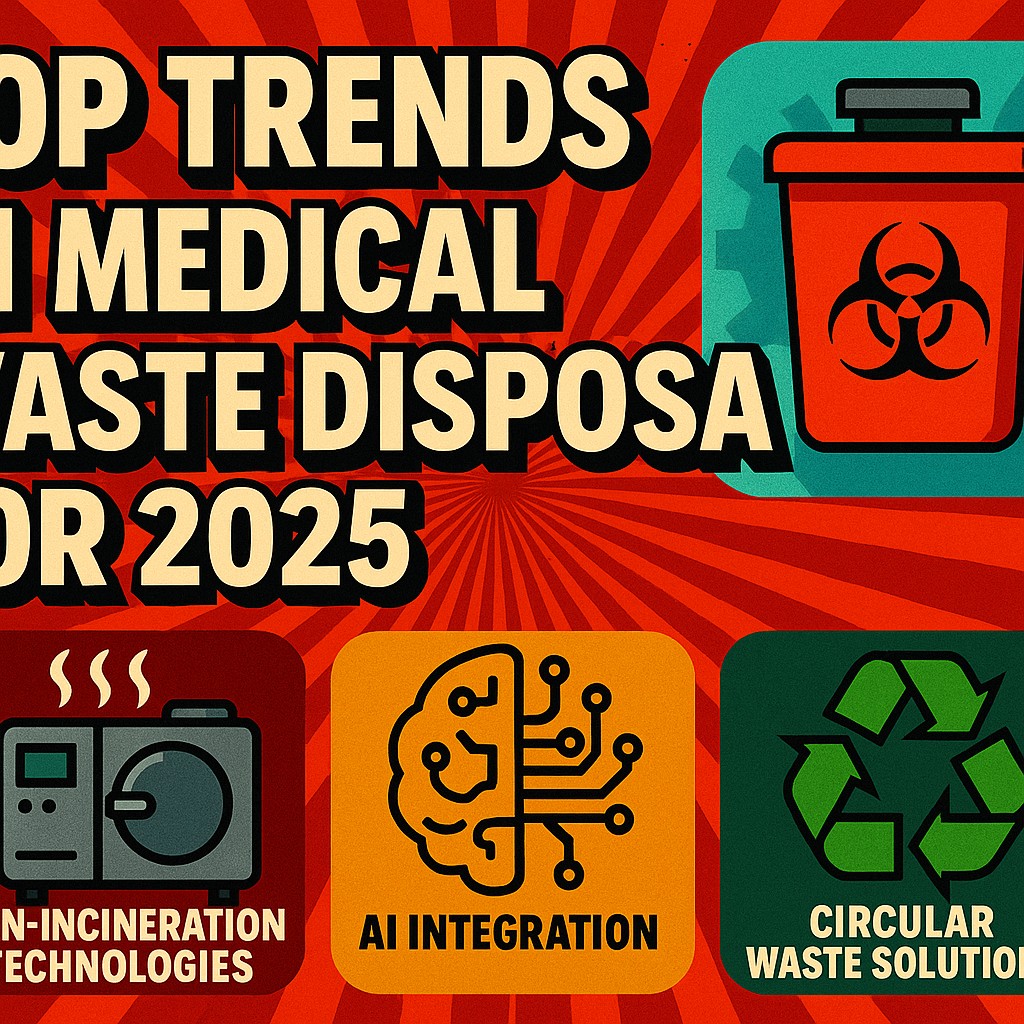
As the healthcare industry continues to grow, so does the need for efficient, safe, and sustainable medical waste disposal. In 2025, new technologies, regulations, and sustainability efforts are reshaping how facilities manage regulated medical waste (RMW), biohazardous waste, sharps, and pharmaceuticals. Here's a breakdown of the key trends every healthcare provider, clinic, and waste hauler should be tracking this year.
Strong Growth in the Medical Waste Management Market
The global medical waste management market is projected to reach over $79.8 billion by 2034, growing at a CAGR of around 8%. This rapid growth is driven by:
-
Increasing volumes of waste from hospitals, clinics, and labs
-
Stricter compliance requirements from OSHA, the EPA, and state agencies
-
A surge in outpatient services and mobile health units
-
Higher public demand for environmental accountability
North America remains a major player, with U.S. service providers investing in smarter logistics, automation, and more sustainable waste treatment technologies.
Shift Toward Non-Incineration Treatment Technologies
Incineration used to dominate, but it's quickly being replaced with cleaner, cost-effective alternatives:
-
Autoclaving: Steam sterilization is now the most common method for treating biohazardous waste.
-
Microwave and chemical disinfection: Ideal for sharps and pathological waste.
-
Plasma gasification and ozone treatment: Emerging technologies that reduce environmental impact and energy use.
-
Hydrogen-peroxide vapor systems: Gaining popularity in labs and surgical settings.
These methods reduce harmful emissions and comply more easily with evolving state and federal regulations.
Smart Waste Tracking and AI Integration
Digital transformation is driving smarter, more transparent waste management:
-
IoT-enabled smart bins now track fill levels and send alerts when pickup is needed.
-
AI and machine learning are being used to:
-
Automate waste classification
-
Predict service frequencies
-
Minimize cross-contamination
-
-
Facilities use digital manifests and online compliance dashboards for real-time reporting and audit readiness.
This data-driven approach helps reduce operational costs while improving environmental reporting for ESG goals.
Rise of Circular Waste Solutions and Reprocessing
In 2025, more healthcare providers are joining the circular economy by:
-
Reprocessing single-use devices like catheters and surgical tools
-
Recycling IV bags, plastic packaging, and PPE into reusable materials
-
Partnering with vendors to convert waste into energy through waste-to-fuel technologies
This not only reduces landfill waste but also saves facilities thousands of dollars annually.
Growing Importance of ESG in Waste Decisions
Environmental, Social, and Governance (ESG) performance is influencing medical waste disposal choices:
-
Facilities are choosing vendors that use low-emission treatment technologies
-
Green certifications and third-party sustainability ratings are becoming more common
-
Pharmaceutical take-back programs are expanding as part of community-focused initiatives
Expect ESG reporting to be a major compliance factor for hospitals and healthcare networks by the end of the decade.
Industry Consolidation and Strategic Mergers
Major mergers such as Waste Management’s $7.2B acquisition of Stericycle signal a shift toward integrated service models that cover multiple waste streams:
-
Biohazardous and sharps waste
-
Pharmaceutical and chemo waste
-
Hazardous lab chemicals
-
On-site document shredding and e-waste recycling
Healthcare clients increasingly prefer full-service providers who can handle all compliance, logistics, and sustainability goals under one agreement.
What This Means for Medical Facilities
To stay ahead in 2025, medical waste generators should:
-
Evaluate their current disposal methods and update to eco-friendly technologies
-
Ensure digital manifesting and tracking is in place for audits and inspections
-
Partner with providers who offer transparent pricing and customizable service frequencies
-
Prioritize waste reduction through reprocessing and recycling
Final Thoughts
Medical waste disposal in 2025 is smarter, greener, and more integrated than ever. From AI-driven logistics to sustainable treatment methods, the industry is evolving to meet regulatory requirements and environmental goals without compromising safety.
If you're a healthcare facility looking to improve your waste management strategy, now is the time to explore smarter, more flexible solutions. Contact MET today to learn how we can help you reduce costs, stay compliant, and meet your sustainability targets.