
How to Clean Waste from Ambulances?
2/11/2022
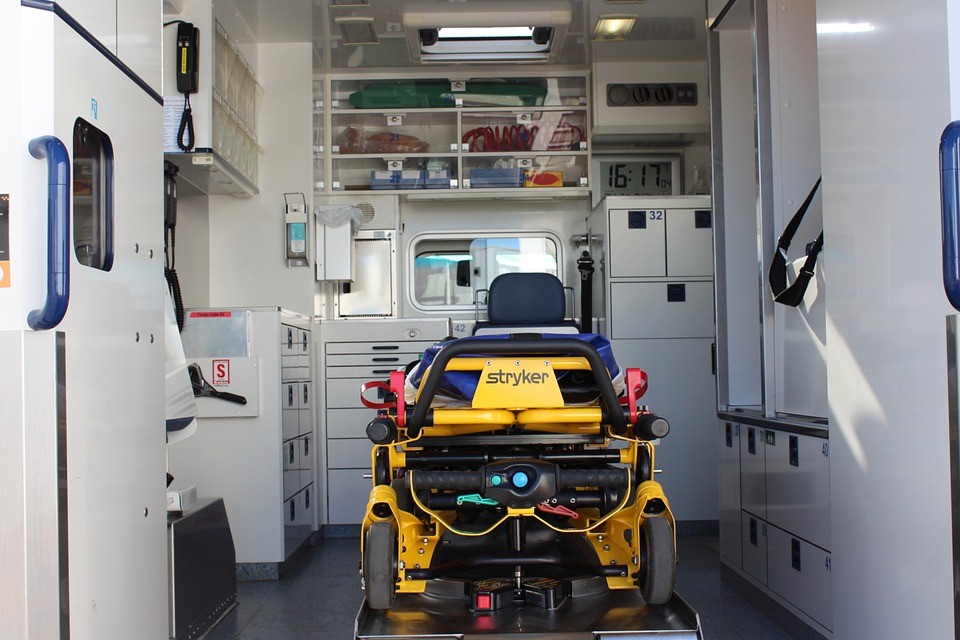
Ambulances are crucial when it comes to providing emergency services to those in need, and it’s where first responders like EMTs and paramedics perform the necessary procedures to increase a patient’s chances for survival.
So, how do you clean waste from ambulances?
1. Clean the exterior first.
This includes eliminating any dirt or mud in the tires, as well as scrubbing the exterior surfaces with soap and water. Doing so ensures the vehicle is in top shape and can respond to emergencies immediately.
When it comes to the interior, it’s not enough that there’s no visible dirt on the interior surfaces; you need to ensure they’re adequately sanitized. You should use a rag soaked with disinfectant to wipe down all the interior surfaces, such as the console, dashboard, and radios.
Aside from that, ensure that you dispose of all waste in a trash bag while segregating them accordingly. You should also ensure the sanitization of all items used by the patients, such as the stretchers and mattress.
Lastly, ensure that all the stretcher linens are cleaned and changed after every dispatch to ensure they’re ready for other patients.
You should also keep the floors and equipment clean to ensure a hygienic and safe environment for potential patients. In this case, make sure to regularly sweep out debris and dirt on the floor and follow it up with some disinfectant.
Conclusion