
How Does WHO Categorize Medical Waste?
9/19/2022
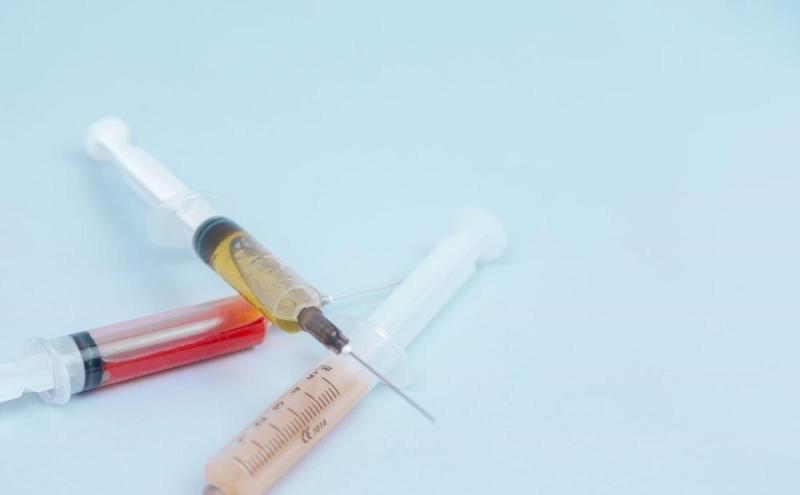
Medical wastes are defined as wastes coming from hospitals, laboratories, or clinics that can be considered infectious or dangerous since they can be contaminated or have toxic properties.
According to World Health Organization (WHO), there are eight types of medical waste.
Chemical Waste
Chemicals that are used for disinfection and sterilization such as reagents and solvents are under this category. More examples are batteries, broken thermometers with mercury, or machines that use chemicals for experiments or tests.
Cytotoxic Waste
This kind of waste contains genotoxic properties and is usually present in cancer and chemotherapy treatments. However, they can cause major health risks since they can be damaging to a patient’s cells.
Infectious Waste
It is a type of waste like swabs, syringes, and bandages that are contaminated with bodily fluids such as blood or tissue and is potentially infectious.
Non-Hazardous or General Waste
Wastes that do not pose any dangerous, hazardous, chemical, or infectious threats to anyone who disposes of it. According to WHO, this makes up 85 percent of the total medical waste.
Pathological Waste
These are bodily fluids, tissues, or body parts that are usually extracted or removed during surgeries or are detached due to accidents.
Pharmaceutical Waste
It can be in form of medicines, drugs, vaccines, or creams that are unused, contaminated, or expired.
Radioactive Waste
Generally, these wastes emit radionuclides which are radioactive and can be harmful to anyone near it. Typically, they are in liquid form.
Sharps Waste
Any medical tools that can pierce through the skin and cannot be reused. Examples of it are syringes, blades, needles, and scalpels.
Conclusion
Hazardous medical waste items have the potential to cause harm if not properly categorized during disposal. Failure to appropriately handle regulated waste might have serious consequences for public health and the environment.
According to World Health Organization (WHO), there are eight types of medical waste.
Chemical Waste
Chemicals that are used for disinfection and sterilization such as reagents and solvents are under this category. More examples are batteries, broken thermometers with mercury, or machines that use chemicals for experiments or tests.
Cytotoxic Waste
This kind of waste contains genotoxic properties and is usually present in cancer and chemotherapy treatments. However, they can cause major health risks since they can be damaging to a patient’s cells.
Infectious Waste
It is a type of waste like swabs, syringes, and bandages that are contaminated with bodily fluids such as blood or tissue and is potentially infectious.
Non-Hazardous or General Waste
Wastes that do not pose any dangerous, hazardous, chemical, or infectious threats to anyone who disposes of it. According to WHO, this makes up 85 percent of the total medical waste.
Pathological Waste
These are bodily fluids, tissues, or body parts that are usually extracted or removed during surgeries or are detached due to accidents.
Pharmaceutical Waste
It can be in form of medicines, drugs, vaccines, or creams that are unused, contaminated, or expired.
Radioactive Waste
Generally, these wastes emit radionuclides which are radioactive and can be harmful to anyone near it. Typically, they are in liquid form.
Sharps Waste
Any medical tools that can pierce through the skin and cannot be reused. Examples of it are syringes, blades, needles, and scalpels.
Conclusion
Hazardous medical waste items have the potential to cause harm if not properly categorized during disposal. Failure to appropriately handle regulated waste might have serious consequences for public health and the environment.