
How Do You Protect Yourself from Infectious Waste When Disposing of Them
12/12/2022
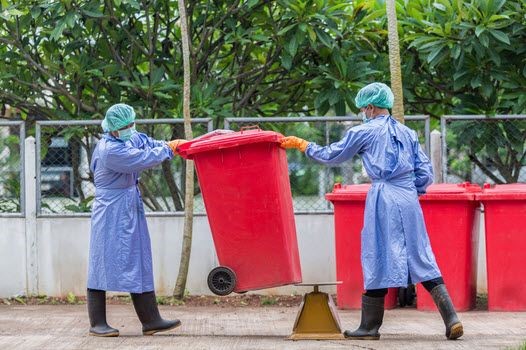
Wearing Protective Devices
Since infections spread so fast via physical contact, wearing protective gloves is recommended. When using gloves, do not touch anything except infectious waste and remove and dispose of them hygienically after use.
If you have wounds or small cuts on your hand, make sure they are well covered. Wounds and cuts that are properly wrapped with sterile bandages prevent the entrance of infectious materials.
Proper cleaning guidelines for contaminated areas
An immediate wipe of the surface keeps away infectious substances; however, stubborn microorganisms need sterilization.
To ensure that no infectious microorganisms are left behind, pinpoint the area and apply prescribed cleaning chemicals such as detergent, hot water, chlorine-releasing agent, or bleach. Also, ensure all the equipment applied to remove substances, such as gloves, is safely disposed of.
Proper sanitation or disposal
Your local authorities should have guidelines for moving, eliminating, and disposing of infectious waste. Ensure all the stages are followed carefully, from storage, handling, and bagging of materials to how they are transported.
● Reduce contacts through less handling of materials and transporting them through routes that reduce exposure to others.
● Dispose of materials in preferred containers that follow the approved UN guidelines.
● Apply only labeled bags for infectious waste for treatment
Key Takeaway