
How Do Hospitals Get Rid of Their Waste?
11/18/2022
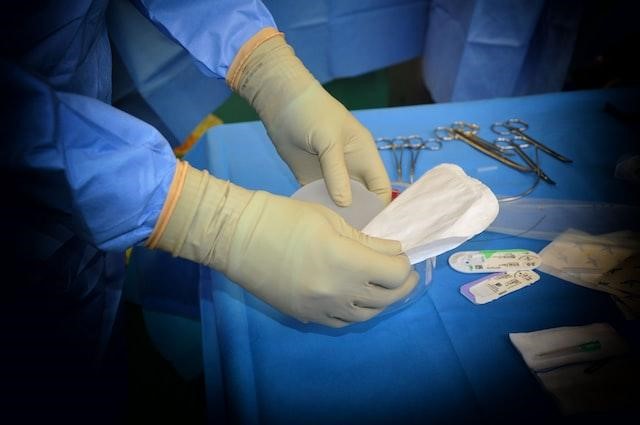
Every year, medical facilities generate over 2 million tons of hospital waste. While the majority of these healthcare wastes are generic and can be discarded as trash, the remaining portions require more care.Incineration and autoclaving are the two basic options for hospital waste elimination. Both have advantages and disadvantages. Which is best for your institution is determined by the kind of medical waste you are handling.Auto-ClavingAutoclaves are enclosed chambers that sanitize medical equipment using both heat and pressure.
They remove bacteria from postoperative waste so that the instruments can be used again, and they kill all microorganisms found in medical waste before it is disposed of in a landfill.IncinerationIncineration, which refers to the supervised combustion of hospital waste in an incinerator, is one of the most prevalent hazardous waste disposal procedures used to handle medical and surgical wastes.
Incineration is used to handle almost 90% of surgical waste, according to the EPA. However, incineration of surgical waste is prohibited in other areas, including California.Final thoughtBefore hospital waste can be moved from a medical waste generator's site, most of it must be adequately treated to eliminate contagious potential before it makes its way to its final disposal location.Medical facilities, regardless of size, require a method to effectively and efficiently handle and dispose of hospital waste. If you want a suitable on-site option for hospital waste disposal and instrument sterilization, autoclaves are a better option than incineration.
They remove bacteria from postoperative waste so that the instruments can be used again, and they kill all microorganisms found in medical waste before it is disposed of in a landfill.IncinerationIncineration, which refers to the supervised combustion of hospital waste in an incinerator, is one of the most prevalent hazardous waste disposal procedures used to handle medical and surgical wastes.
Incineration is used to handle almost 90% of surgical waste, according to the EPA. However, incineration of surgical waste is prohibited in other areas, including California.Final thoughtBefore hospital waste can be moved from a medical waste generator's site, most of it must be adequately treated to eliminate contagious potential before it makes its way to its final disposal location.Medical facilities, regardless of size, require a method to effectively and efficiently handle and dispose of hospital waste. If you want a suitable on-site option for hospital waste disposal and instrument sterilization, autoclaves are a better option than incineration.