
How Dangerous is Infectious Waste?
6/1/2021
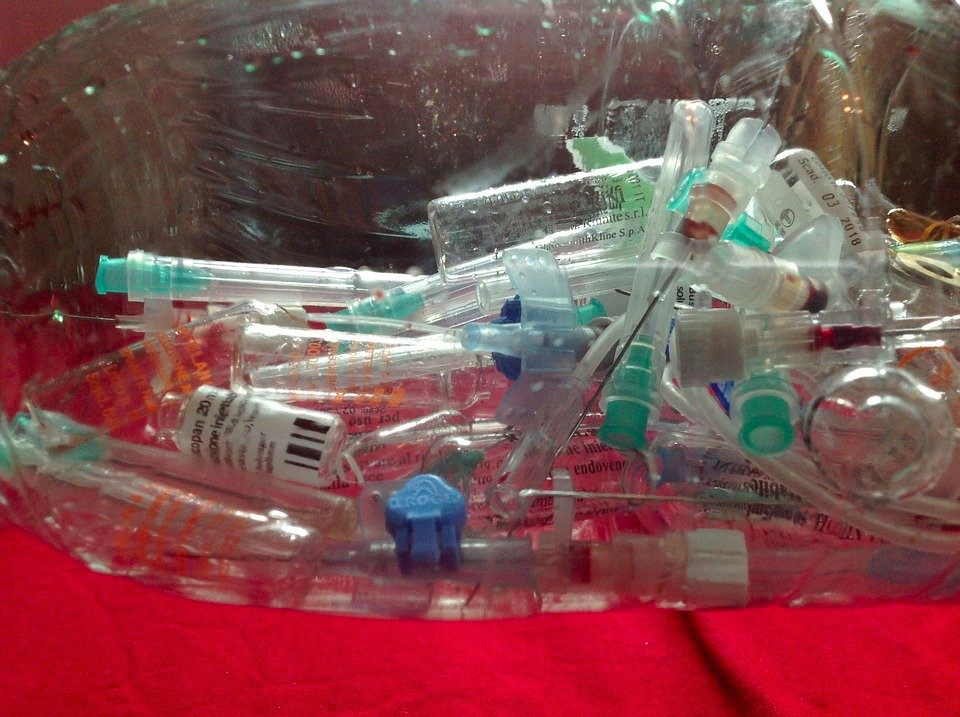
Infectious wastes are disposed of items that are contaminated with blood, infectious agents, and other bodily waste and fluids from both humans and animals. These waste products carry an ample amount of pathogens that can get into the human body through several ways like inhalation, abrasion or cut on the skin, ingestion, and mucous membranes.
Mismanagement of infectious waste can lead to the transmission of various diseases such as:
• Human Immunodeficiency Virus (HIV)
• Hepatitis viruses B and C
• Influenza
• Tuberculosis
Who is at Risk?
• Workers in hospitals and healthcare facilities (nurses, doctors, hospital maintenance personnel)
• Patients receiving medical treatment
• People visiting healthcare facilities
• Support services to healthcare facilities (laundromats, waste handling, and transportation)
• Disposal facility employees
Health Impacts
A study from Kuchibanda and Mayo has shown a significant increase in the risk of infectious diseases spreading to the general public. This is mostly because waste management personnel are not given enough training in handling these infectious wastes. Also, the healthcare facilities involved in the study do not emphasize the importance of handling these wastes properly.
When infectious waste is not properly disposed of, it can contaminate water supplies. Furthermore, untreated stool and urine that comes in contact with the water supply for consumption can cause long-term epidemics such as cholera.
Mismanagement of infectious waste can lead to the transmission of various diseases such as:
• Human Immunodeficiency Virus (HIV)
• Hepatitis viruses B and C
• Influenza
• Tuberculosis
Who is at Risk?
Studies from WHO show that workers, who are often in contact with infectious waste, are mostly at high risk of contracting diseases or injury. People who are in direct contact with hazardous material are, but not limited to:
• Patients receiving medical treatment
• People visiting healthcare facilities
• Support services to healthcare facilities (laundromats, waste handling, and transportation)
• Disposal facility employees
Health Impacts
A study from Kuchibanda and Mayo has shown a significant increase in the risk of infectious diseases spreading to the general public. This is mostly because waste management personnel are not given enough training in handling these infectious wastes. Also, the healthcare facilities involved in the study do not emphasize the importance of handling these wastes properly.
When infectious waste is not properly disposed of, it can contaminate water supplies. Furthermore, untreated stool and urine that comes in contact with the water supply for consumption can cause long-term epidemics such as cholera.