
How Costly Clinical Waste Management is
3/9/2020
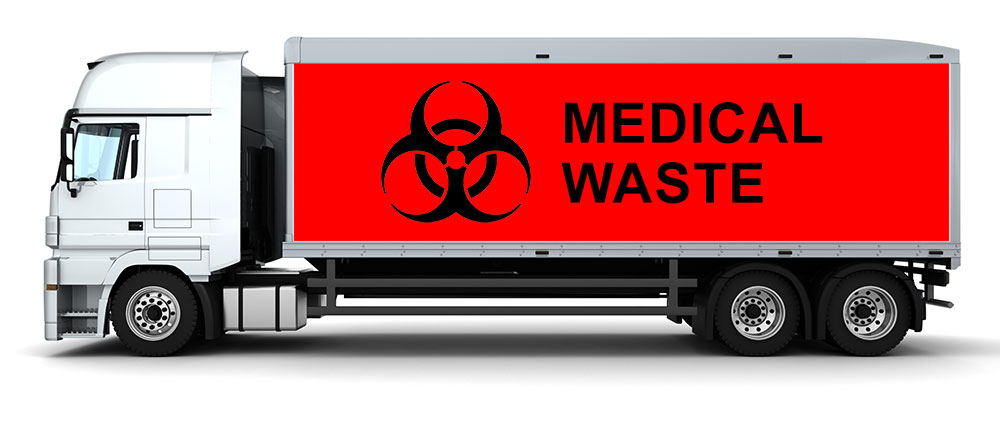
As stated by the World Health Organization, 15% of the clinical waste produced by healthcare and medical activities can be toxic, radioactive, or infectious when in contact with a human.
This kind of waste can be composed of needles and syringes, which are not typically disposed of in a proper way after use. With an estimated 16 billion syringes given in the world annually, clinical waste tends to pile up – and that is not yet included with the other type of clinical wastes.
This kind of waste can be composed of needles and syringes, which are not typically disposed of in a proper way after use. With an estimated 16 billion syringes given in the world annually, clinical waste tends to pile up – and that is not yet included with the other type of clinical wastes.
Basis of the Cost
The United States of America contributes 2 million tons of clinical waste annually. The smallest percentage comes from Alaska, Washington, Vermont and North Dakota with only 0.2%. The largest comes from California with 12.2%. Here are the aspects that affect the cost of clinical waste management:
• Location – Clinical waste management differs from each state, as well as the costs.
• Regulations – Every state follows regulations about infectious waste storage in your facility
• Route Density – The more destinations (other facilities and then back to the treatment plant) that your disposal service has for managing your waste, the more costly it will be
• Waste type – There are separate services each for hazardous and non-hazardous waste
Average Costs
Monthly – Since the cost varies from location, there are still numbers that can be seen as a guideline for waste disposal. Other facilities normally pay $200 – $400 monthly for clinical waste management pick up.
Per Box – Other companies rate the payment of disposal in a per box basis, typically from $20 – $40 each.
It also pays to throw clinical wastes
Clinical waste disposal cannot be easily thrown everywhere, because irresponsibly doing so can affect human lives, which is why disposing of them safely is a must, even if it costs a lot of money.
Clinical waste disposal cannot be easily thrown everywhere, because irresponsibly doing so can affect human lives, which is why disposing of them safely is a must, even if it costs a lot of money.