Everything You Need to Know About Medical Incineration
A comprehensive guide to the benefits, processes, and safety measures of medical waste incineration
9/29/2024
Numerous back-end support services are needed by the healthcare sector. For instance, a variety of hazardous or potentially infectious waste is produced daily and needs to be disposed of specifically. These can be bloodied medical supplies from dealing with accident victims, needles used for vaccinations, or traces of chemicals left in an IV line.
The Importance of Medical Incineration
Medical waste incineration is the process of burning specific wastes and is thought to be the safest and most effective kind of treatment. It is important to recognize that while autoclaving, chemical treatments, and ozone disinfection are effective substitutes for incineration, they are not always sufficient to totally eliminate all medical waste.
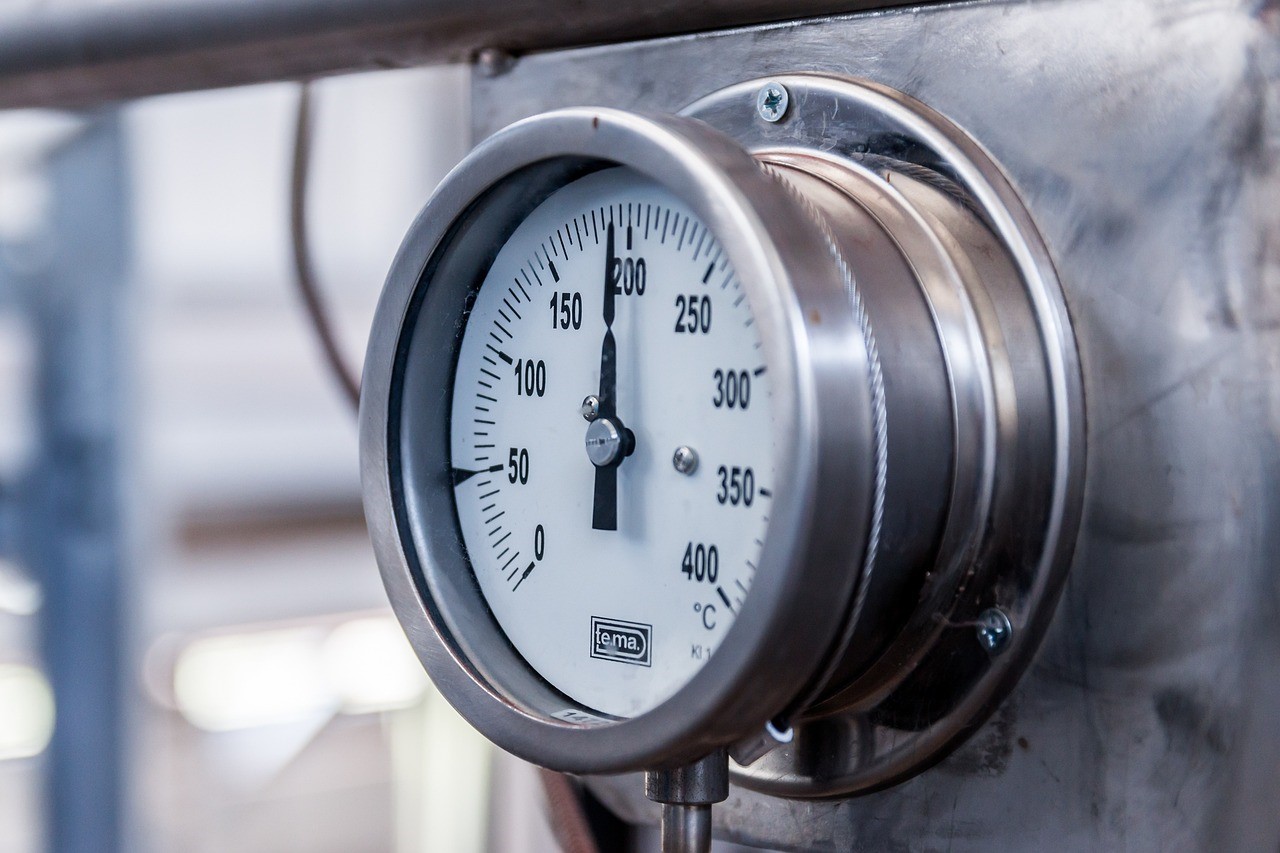
Sharps, medication waste, pathological waste, infectious materials, and other types of medical waste can all be handled with this method. The waste is first loaded into the incinerator chamber to start the process. After all materials have been loaded, the waste will be exposed to severe heat—up to 1,200 degrees Celsius.
The Benefits of Medical Incineration
The high temperature during the incineration process vaporizes and destroys any harmful pathogens, microorganisms or viruses found within the waste. There is also a significant decrease in the quantity of waste that has to be disposed of because the severe temperature can reduce the waste volume by up to 97%.
Burning medical waste has also proven to be a viable option. Features like flue gas purification systems and secondary combustion rooms are examples of advanced incinerator technologies. These systems make sure that emissions are efficiently cleaned, which lowers the amount of pollutants released into the atmosphere.