
Best Practices for Medical Waste Transportation
Essential guidelines for safe and efficient transport of medical waste to protect health and environment
9/29/2024
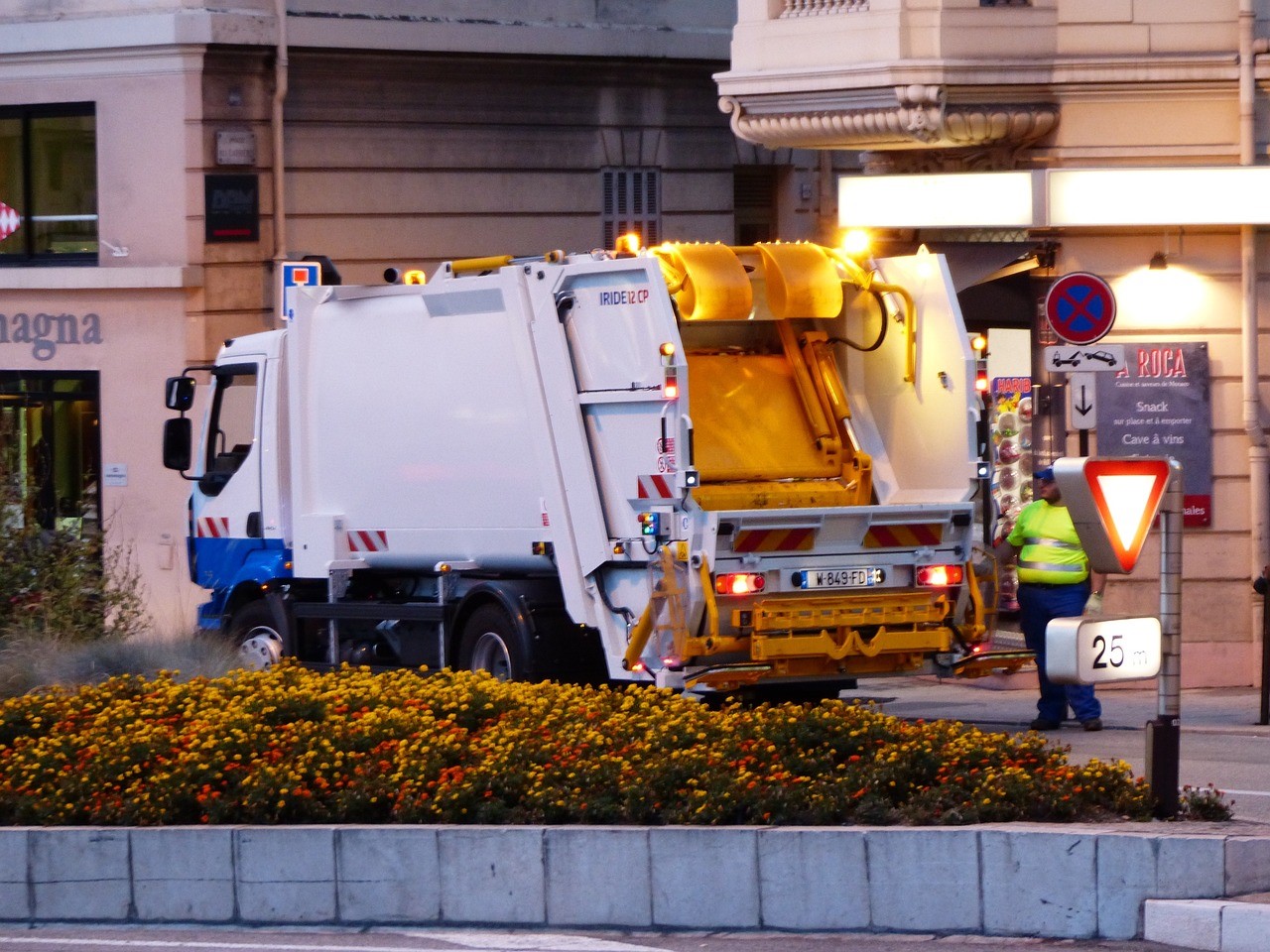
Different facilities serve different purposes and offer unique healthcare services to hospitals, clinics, labs, and other facilities within a developed healthcare system. All of the system's facilities can operate normally and safely with the critical support of an efficient waste collection and transportation network.
How Medical Waste Is Transported
A typical waste management network will have multiple routes to collect the waste produced by the healthcare system's daily operations, covering all of the facilities. Every day, collection trucks visit facilities to pick up waste while adhering to the prearranged transportation routes.
The network's garbage collection routes are often set in place in order to simplify system operation and guarantee transportation safety. Thus, to maximize productivity and minimize hazards, waste transportation routes must be carefully planned.
Many collection networks use a two-echelon collection mode to optimize operations. When the two-echelon collection mode is used, collection vehicles only visit collection points and facilities that need direct retrieval. Collection points are built to collect waste from smaller facilities.
Protecting the environment requires better transportation planning for medical waste. The goal here is to transport and collect waste while producing the least amount of pollution possible. Municipalities should consider these factors when choosing contractors.
Ultimately, it's important to remember the unique and varying hazards associated with collecting and moving medical waste. Medical waste may be unsafe or contagious, so it is important for operators to handle the risks associated with its gathering, transit, and disposal with the greatest caution.