
What's the Most Harmful Hospital Waste We Should Know About?
1/27/2023
Most lives are saved and most diseases are taken care of in hospitals, clinics, and healthcare facilities. However, if these places do not adhere to proper waste management, they could pose risks to public health, spread diseases, and endanger more lives than what has been saved.
According to WHO, about 15% of the waste generated from healthcare activities is a hazardous material that could be infectious, toxic, or radioactive. The rest is considered general, non-hazardous waste. So, what are these dangerous hospital or medical wastes we should know and be very careful about?
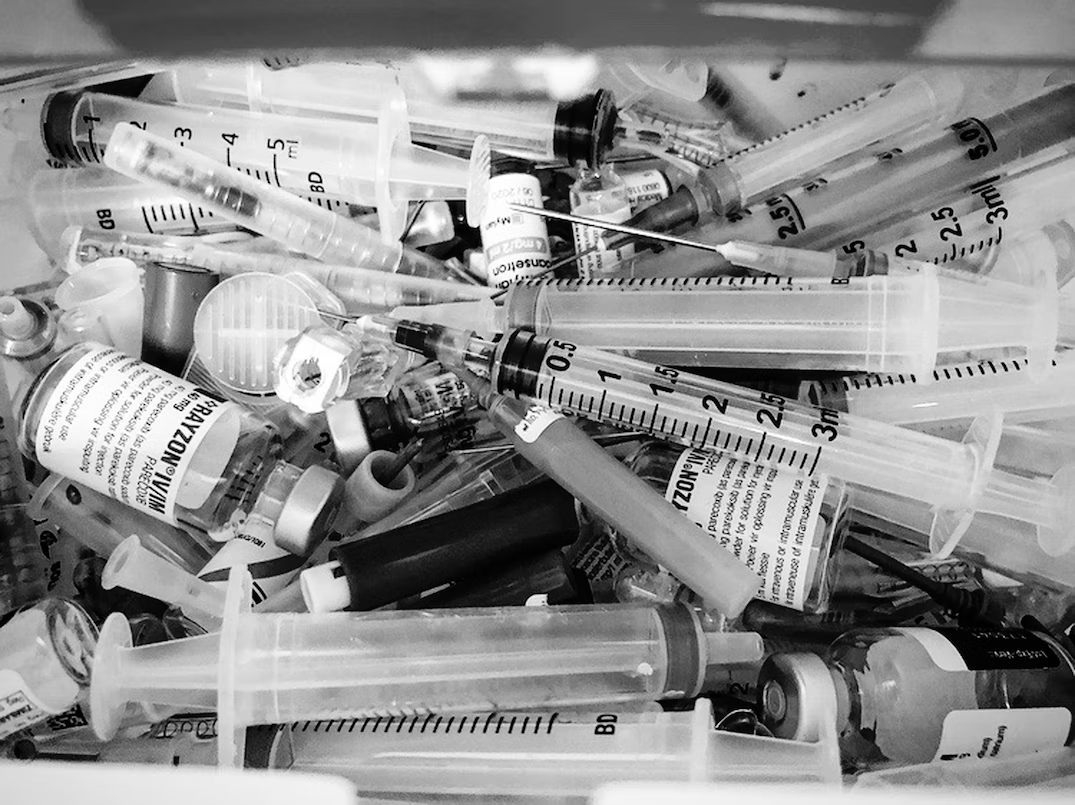
Sharps. A dramatic increase in administered injections is observed during the pandemic resulting in more sharp medical waste particularly syringe needles. Essentially, these are the wastes that can puncture or penetrate the skin and the most common in hospitals also includes razors, disposable scalpels, lancets, ampules, and blades.
Infectious Waste. Patients with infectious diseases such as COVID-19, hepatitis, and HIV/AIDS, when treated in hospitals generate infectious waste. This includes tissues/bandages, infectious samples, swabs, and other disposable devices which contact the infected person. Extra precautions must be done when handling such waste and disposal of these types of wastes to prevent widespread infectious diseases.
Radioactive Waste. This is a highly dangerous form of hospital waste as it can damage human DNA and cause cancer. These types of waste are commonly produced in diagnostic labs and therapy facilities utilizing radiotherapy liquid.
Pharmaceuticals/Chemicals. Expired or unused antibiotics, vaccines, and drugs comprise pharmaceutical waste while examples of chemical waste in hospitals are the solvents used in the laboratory, disinfectants, and heavy metals in medical devices such as thermometers.
It is the responsibility of the healthcare facility management to ensure no negative effects of the medical waste generated and to strictly follow all the policies and regulations for the proper treatment and disposal of hazardous waste. In this way, no one will be harmed by the waste generated from saving the other!