
What is the Meaning of Medical Waste?
5/12/2023
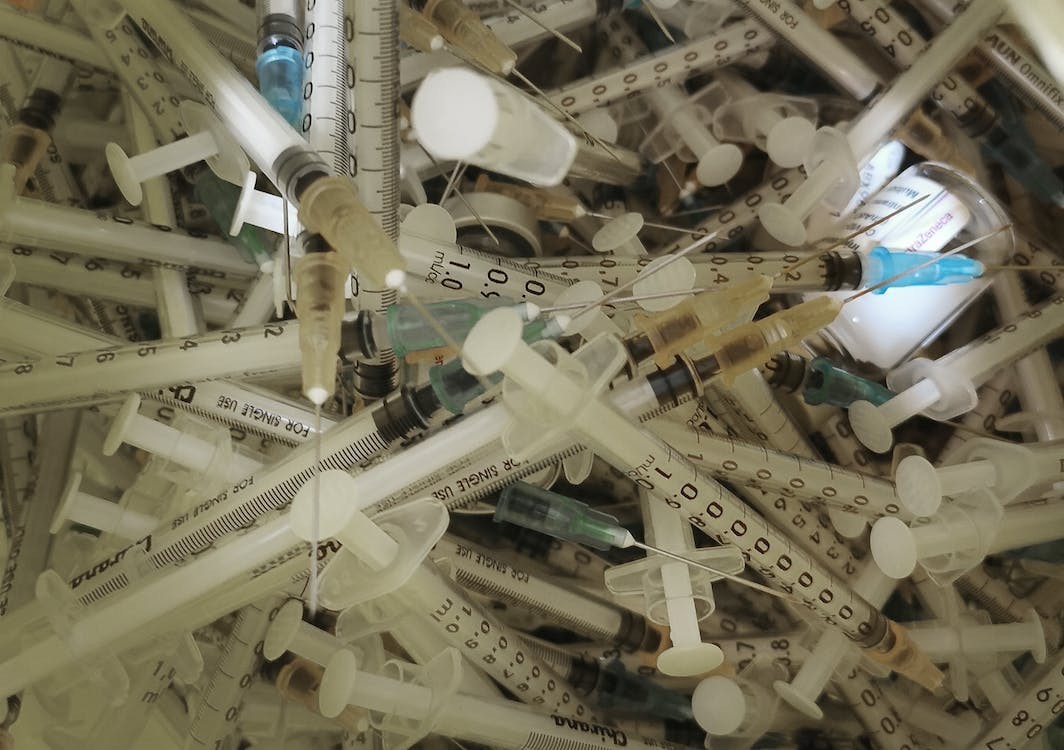
The World Health Organization (WHO) defines medical waste as trash that is produced by healthcare services. It may range from radioactive materials, medical devices, drugs, chemicals, blood, diagnostic samples, body parts, soiled dressings, used syringes, and contaminated needles.
How can you properly throw away medical waste?
Waste management is indeed an important part of the healthcare industry. Poor management of medical waste exposes the waste handlers, healthcare workers, and people to risks of pollution, injuries, toxicity, and infections.
Among the total waste products generated by the healthcare system, roughly 15% is hazardous that is it may be radioactive, toxic chemicals, or infectious.
It was noted that way back in 2010, unsafe handling and disposal of injections led to almost 33,800 individuals contracting HIV infections through mere needle transmission. Moreover, about 315,000 hepatitis C infections and 1.7 million hepatitis B infections were also reported.
These incidents have been very heart-wrenching for the medical field and the community.
Indeed, healthcare waste management necessitates strict diligence and increased attention to avoid such adverse health outcomes brought about by poor clinical waste disposal practices. Government commitment and support are needed for universal, sustained, and long-term improvement.
In 2014, WHO indeed expanded its efforts to develop the first-ever comprehensive and global guidance document that ensures the safe management of medical waste.
It aims to address training, treatment and disposal options, storage and transportation, handling, recycling, waste minimization, planning issues, and regulation.