
Training Healthcare Workers on Medical Waste Management
8/4/2024
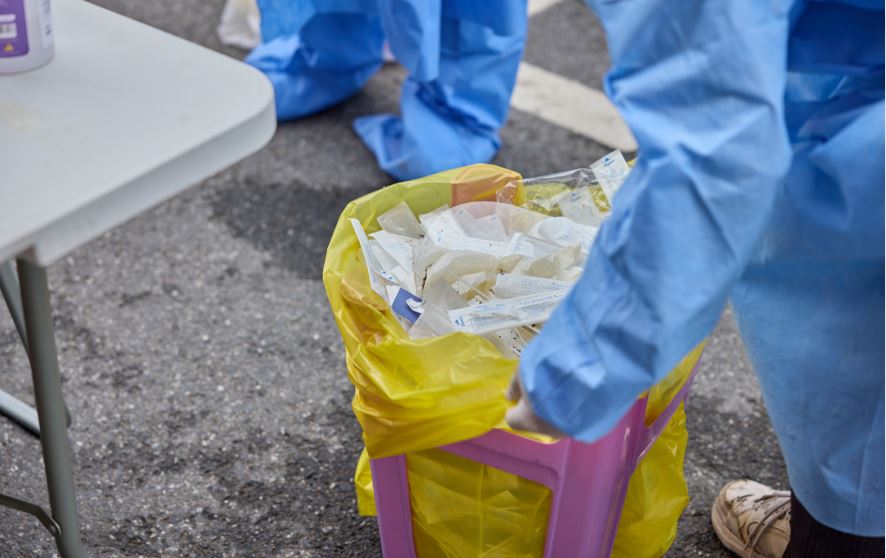
Procedures are carried out, prescriptions are given out, and mountains of waste accumulate daily in medical facilities. However, medical waste poses major risks to human health and the environment, unlike regular household trash. That's where proper waste management enters the picture, and healthcare professionals are essential to it.
Here's the thing: putting everything in one bin isn't an adequate way to manage medical waste. The process involves several steps and results in the responsible disposal of medical waste. Healthcare facilities must have a waste management plan in order to accomplish this, and it is crucial that staff members are trained on this plan.
Everyone Has a Role
Waste management in a healthcare facility is everyone's responsibility. All of these roles are involved, from nurses and doctors who produce waste during procedures to housekeeping employees who handle packed bins.
Facilities managers oversee the bigger picture, making sure resources are available and rules are adhered to. Waste handlers oversee the areas used for temporary storage, while supervisors monitor daily procedures.
Training Makes Perfect
The foundation of any successful waste management program is effective training. Healthcare personnel must be given clear instructions and practical experience in order to develop the confidence they need to handle and sort waste properly.
It is essential to comprehend the various categories of medical waste, including pharmaceuticals, sharps, and infectious waste. To reduce the chance of harm, training must also address how to handle potentially hazardous waste safely.
Hospitals and clinics can establish a secure environment for employees and patients by providing healthcare workers with training on these essential elements. Moreover, effective medical waste management helps to reduce the environmental impact of the facility.