
Three Simple Guidelines for Medical Waste Disposal
3/8/2021
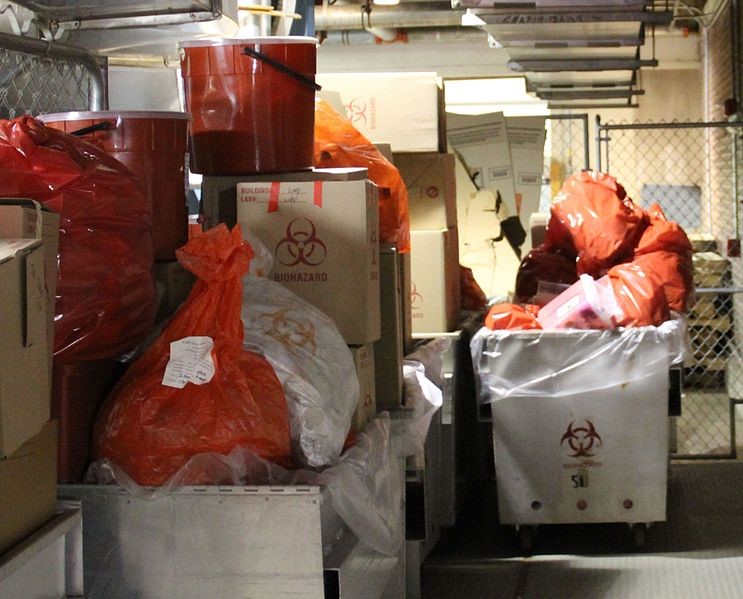
Various medical wastes are generated at different medical facilities. For instance, we can talk about medical waste from medical destinations like medical research facilities, medical laboratories, and healthcare facilities.
If not well-disposed, medical waste can be a health hazard that will also pollute the environment. Here, we will focus on three simple guidelines on how we can best dispose of medical waste.
1. Medical waste collection and segregation
This is the initial stage which involves waste collection at the generation point. The ones collecting the waste must be familiar with the different categories of medical waste.
Each class of waste needs to be separated and put into a separate container. Each container is color-coded for easier segregation of different types of medical waste.
2. Medical waste storage and transportation
After separating your medical waste, some of it needs to be stored until it is bulky and ready for transportation. Here, you need to engage a medical waste disposal company with the right skills to handle, store, and transport medical waste without posing any danger to the people around.
Storage facilities for medical waste should of out of reach to any member of the general public and away from food and drinks.
3. Medical waste disposal and treatment
At this point, your professional waste removal company will decide the safest way to dispose of medical waste. Such a company will be responsible for any risk exposure to medical waste. There are various ways that the company may use to dispose of the waste, but this will entirely depend on the type of medical waste.
Some of the methods used include incineration for pathological and pharmaceutical waste disposal, medical waste shredder, autoclave chambers for sharps, and infectious waste, among others.
Conclusion
It is necessary to ensure that proper guidelines are followed when disposing of medical waste. This will reduce the risk of exposure to various pathogens and other contaminations.