
The Process of Chemically Treating Medical Waste
8/25/2022
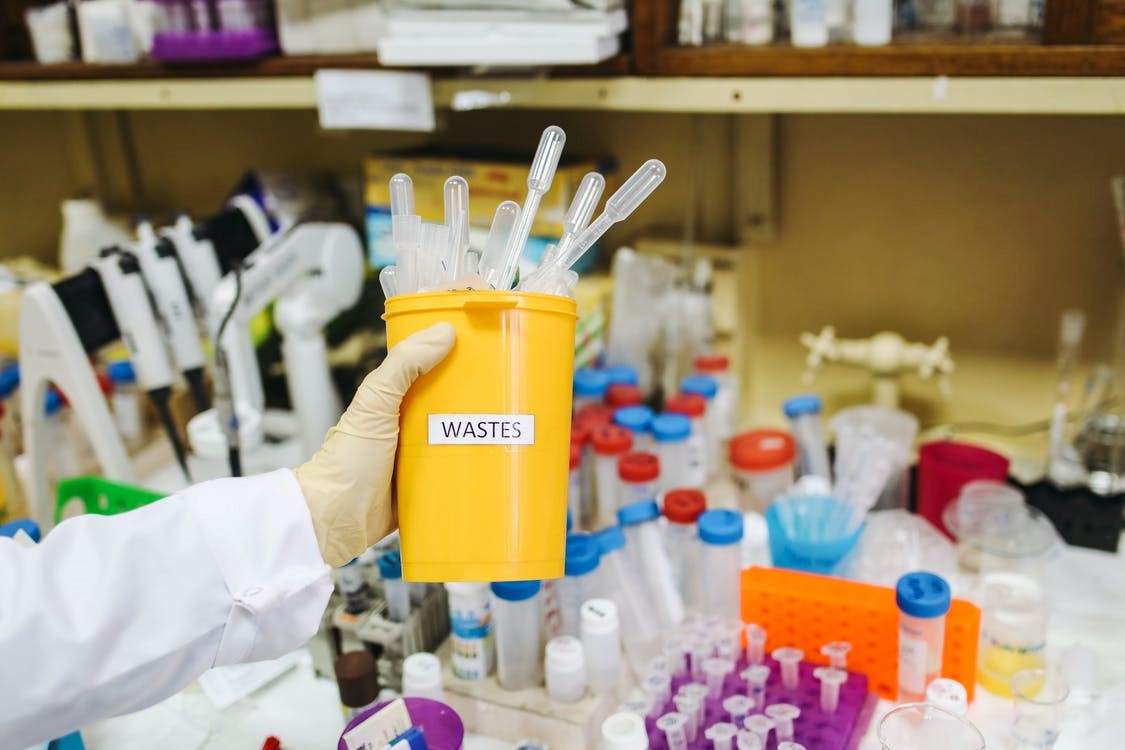
There are various ways to dispose of medical waste such as autoclaving, incineration, irradiation, microwave, and chemical treatment.
• Filtration
This process of chemically treating medical waste is a separation strategy where compounds are isolated from a mixture of substances, depending on their size and shape. It’s a commonly used strategy for minimizing liquid waste.
• Carbon Filtering
This is a process of isolating carbon compounds by having chemical filters serve as isolation units. This is ideal for minimizing liquid and gas wastes. Carbon filters are also often used by different facilities to minimize their pollution footprint.
• Ultrafiltration
Ultrafiltration is a specialized technology for membrane filtration, enhancing the pressure-driven process that separates specific pollutants from medical waste materials. The product resulting from this process is highly pure and free from any harmful toxins in waste.
Conclusion
Chemical treatment is a great method of decontaminating wastes onsite. It helps the facilities save on any costs that would’ve been spent on packaging and transporting waste. However, safety is always key. It’s important to still stick to the guidelines and specifications provided by authorities on handling chemical processes.