
The Most Common Types of Waste in Hospitals
9/22/2022
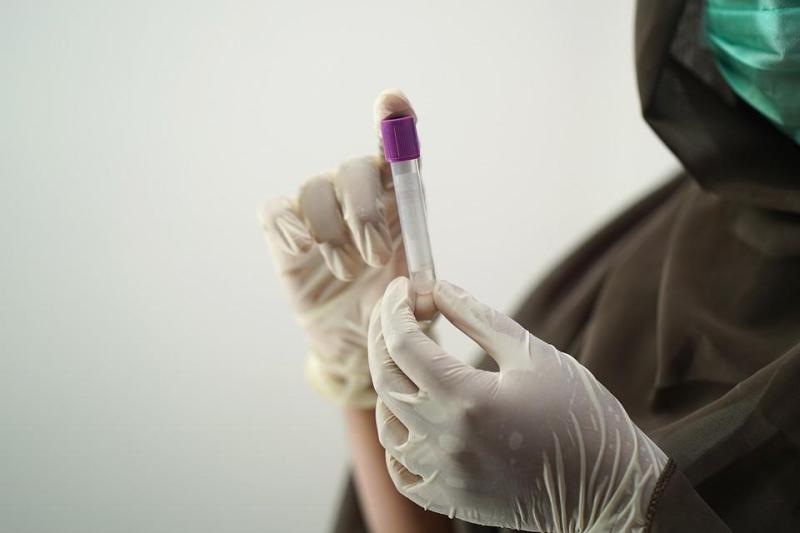
Like most establishments, hospitals generate waste every day. Generally, there are 4 different types of medical waste, general, hazardous, infectious, and radioactive.
Since medical waste can cause serious public health concerns, there is a need to ensure that it is properly maintained at all times.
Here is everything you should know about the 4 different types of medical waste.
1. General Waste
General Waste doesn't differ much from common household waste. Typically, this kind of waste includes food scraps, plastic, paper, office waste, and much more. Since general waste is not infectious, it has no special management procedures and can be disposed on sanitary landfills.
2. Hazardous Waste
Hazardous Waste is the type of waste that is deemed harmful to humans but not in an infectious way. Waste that falls under this classification includes old drugs, chemicals (both industrial and medical), and sharps (lancets, needles, scalpels, etc.). Since it can be detrimental to humans, animals, and even the environment, it must be treated and managed properly.
3. Infectious Waste
Infectious Waste, also known as pathological waste, refers to waste that can be a threat to public health. This healthcare waste contains pathogens, a disease-causing bacterium. Common infectious waste includes surgical gloves, swabs, human and animal tissue, cultures, bandages, and other mediums soaked in bodily fluids. Infectious waste requires a unique way of storage, transportation, and disposal.
4. Radioactive Waste
Radioactive waste is generated from cancer therapies, medical equipment using radioactive isotopes, and nuclear medical therapies. Pathological waste can also be considered radioactive waste once it was contaminated with any radioactive material. Since radiation can cause serious health risks, it must be managed and disposed of properly.
Conclusion
Ultimately, improper waste management can negatively impact human beings and the environment. Therefore, hospitals and medical facilities should ensure proper disposal of medical waste at all times.
Since medical waste can cause serious public health concerns, there is a need to ensure that it is properly maintained at all times.
Here is everything you should know about the 4 different types of medical waste.
1. General Waste
General Waste doesn't differ much from common household waste. Typically, this kind of waste includes food scraps, plastic, paper, office waste, and much more. Since general waste is not infectious, it has no special management procedures and can be disposed on sanitary landfills.
2. Hazardous Waste
Hazardous Waste is the type of waste that is deemed harmful to humans but not in an infectious way. Waste that falls under this classification includes old drugs, chemicals (both industrial and medical), and sharps (lancets, needles, scalpels, etc.). Since it can be detrimental to humans, animals, and even the environment, it must be treated and managed properly.
3. Infectious Waste
Infectious Waste, also known as pathological waste, refers to waste that can be a threat to public health. This healthcare waste contains pathogens, a disease-causing bacterium. Common infectious waste includes surgical gloves, swabs, human and animal tissue, cultures, bandages, and other mediums soaked in bodily fluids. Infectious waste requires a unique way of storage, transportation, and disposal.
4. Radioactive Waste
Radioactive waste is generated from cancer therapies, medical equipment using radioactive isotopes, and nuclear medical therapies. Pathological waste can also be considered radioactive waste once it was contaminated with any radioactive material. Since radiation can cause serious health risks, it must be managed and disposed of properly.
Conclusion
Ultimately, improper waste management can negatively impact human beings and the environment. Therefore, hospitals and medical facilities should ensure proper disposal of medical waste at all times.