
Is Medical Waste Considered Hazardous Waste?
3/18/2021
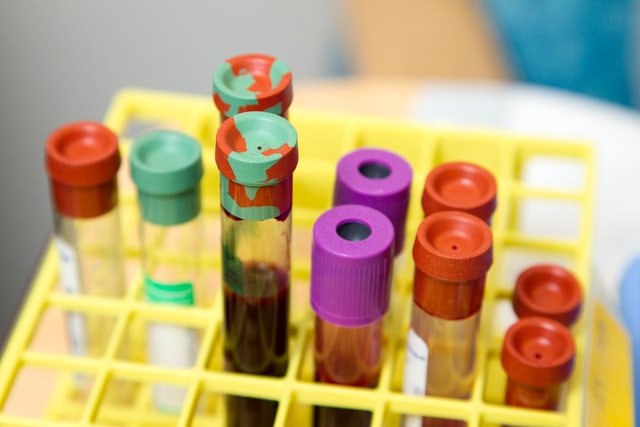
A lot of Health Care establishment produce hazardous medical waste. In the US, hazardous waste is tagged as RCRA hazardous waste. This means that such waste has followed the criteria under the Resource Conservation Recovery Act (RCRA).
In the said law, medical waste is considered hazardous waste. However, the federal law has categorized hazardous waste into four categories, namely: ignitable, reactive, corrosive, and toxic. In this article, we will tackle what makes medical waste hazardous.
Ignitable Medical Waste
Whether the medical waste is inflammable or flammable, this does not necessarily mean that it is hazardous. What makes it hazardous is the fact of being ignitable and the flashpoint.
The flashpoint determines if the medical waste is hazardous. If the flashpoint is below 60 degrees C or 140 degrees F, the medical waste is considered hazardous.
Reactive Medical Waste
Reactive means the ability of the material to break in such a way that it releases vapor, gas, or heat. It is daunting to know how reactive a particular waste can be because such matter is left to be determined by the regulatory authority.
However, some of the reactive material found in health facilities includes reduces (sodium bisulfate and sulfite) and oxidizers (hydrogen peroxide, potassium permanganate, potassium dichromate, and bleach).
Highly acidic liquids are classified as corrosive. Medical waste with a pH level above 12.5 or below 2 is considered hazardous. Corrosive hazardous materials in healthcare facilities include acids such as sulfuric, nitric, hydrochloric, and acetic. Consequently, non-aqueous and solid wastes are not considered as corrosive.
Toxic Medical Waste
A waste is considered toxic when it is harmful to both humans and animals. However, pathogens and bacteria may be harmful but they are not classified as toxic. Some of the hazardous toxic waste found in hospitals and clinics include chemical and heavy metals. Used batteries, medical treatment chemicals, and medicines can also be considered toxic.
Conclusion
Hazardous waste is regulated by law. However, it does not mean that the healthcare facility will be sued once authorities find hazardous waste in the area. To prevent violating the hazardous waste law, it is advisable to secure a hazardous waste permit.