
Infectious Waste: Where Should It Go?
7/22/2022
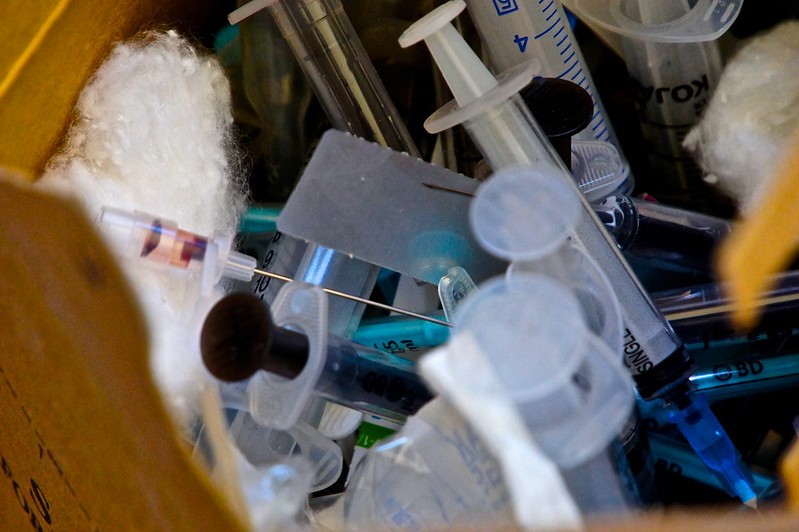
Infectious wastes are wastes that contain pathogens or disease-causing microorganisms. These wastes can pose a severe health hazard to people who come in contact with them. Infectious wastes must be handled and disposed of carefully through the following ways to avoid contamination of the environment or the public.
1. Incinerating the waste.
This is a very effective way to kill any pathogens that may be present in the waste. Incineration is a very effective way to reduce the spread of disease, and it is one of the most common methods used to dispose of infectious waste. Many incinerators are used to incinerate infectious wastes, including thermal oxidizers, gasification plants, and electric arc furnaces.
2. Autoclaving the waste.
The autoclave is the preferred method for treating infectious wastes from hospitals before disposal. An autoclave uses steam under pressure to heat wastes to a temperature that will kill bacteria and viruses. The autoclave must reach a temperature of 121°C (250°F) and maintain that temperature for 15 minutes.
After autoclaving infectious wastes, they must be disposed of in a secure landfill or incinerated using controlled burning methods to minimize environmental impact.
3. The waste can be treated with chemicals.
Chemicals that will kill any pathogens that may be present are used. Treating the waste with chemicals effectively kills any pathogens that may be present. However, this method can also cause environmental damage if not done correctly.
Final Words
All these methods effectively dispose of infectious wastes from hospitals. It depends on how much care is taken to execute each technique correctly.
1. Incinerating the waste.
This is a very effective way to kill any pathogens that may be present in the waste. Incineration is a very effective way to reduce the spread of disease, and it is one of the most common methods used to dispose of infectious waste. Many incinerators are used to incinerate infectious wastes, including thermal oxidizers, gasification plants, and electric arc furnaces.
2. Autoclaving the waste.
The autoclave is the preferred method for treating infectious wastes from hospitals before disposal. An autoclave uses steam under pressure to heat wastes to a temperature that will kill bacteria and viruses. The autoclave must reach a temperature of 121°C (250°F) and maintain that temperature for 15 minutes.
After autoclaving infectious wastes, they must be disposed of in a secure landfill or incinerated using controlled burning methods to minimize environmental impact.
3. The waste can be treated with chemicals.
Chemicals that will kill any pathogens that may be present are used. Treating the waste with chemicals effectively kills any pathogens that may be present. However, this method can also cause environmental damage if not done correctly.
Final Words
All these methods effectively dispose of infectious wastes from hospitals. It depends on how much care is taken to execute each technique correctly.