
How to Manage Healthcare Waste Sustainably
8/5/2024
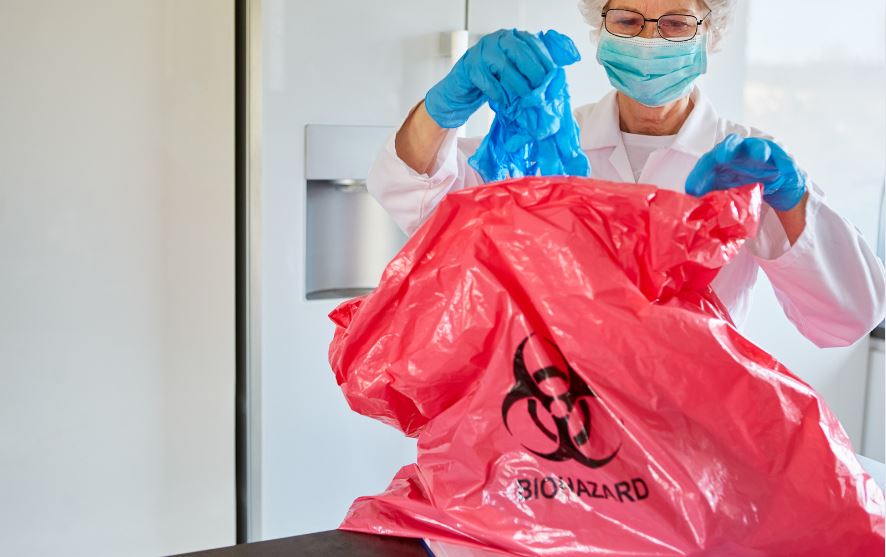
The medical industry is always changing, and as more advanced procedures emerge, healthcare waste is becoming a bigger issue. If not properly managed, this waste poses a serious threat to the environment and public health as it may be toxic, infectious, or even radioactive.
The Basics of Sustainable Healthcare Waste Management
For good reason, the World Health Organization (WHO) views healthcare waste as a serious issue. Every year, enormous volumes of medical waste are produced in nations like the USA and China. The waste can be classified into four main categories: recyclables, general waste, high-risk, low-risk, and sharps.
Consequently, it is critical to focus on sustainable healthcare waste management, which uses a four-pronged strategy.
1. Reduce
This is the golden rule. There will be less waste to dispose of. By using just-in-time inventory management, hospitals can prevent expired products from occurring.
2. Reuse
Healthcare facilities should think about reusing products like sterilized surgical instruments or washable gowns whenever possible. This saves money in addition to reducing waste.
3. Recycle
Paper and plastic are examples of non-contaminated materials that can be recycled. Certain items that fall under the category of organic waste can even be turned into biofuels.
4. Dispose
Waste must be disposed of safely when it cannot be recycled or reused. Nowadays, environmentally friendly alternatives like microwave treatment are available.
Selecting a partner for the disposal of medical waste is also crucial. Hospitals should make sure the contractor complies with regulations by carefully reviewing their environmental record. Greener disposal techniques should be taken into account.