
How Medical Waste Contributes to Climate Change
8/19/2020
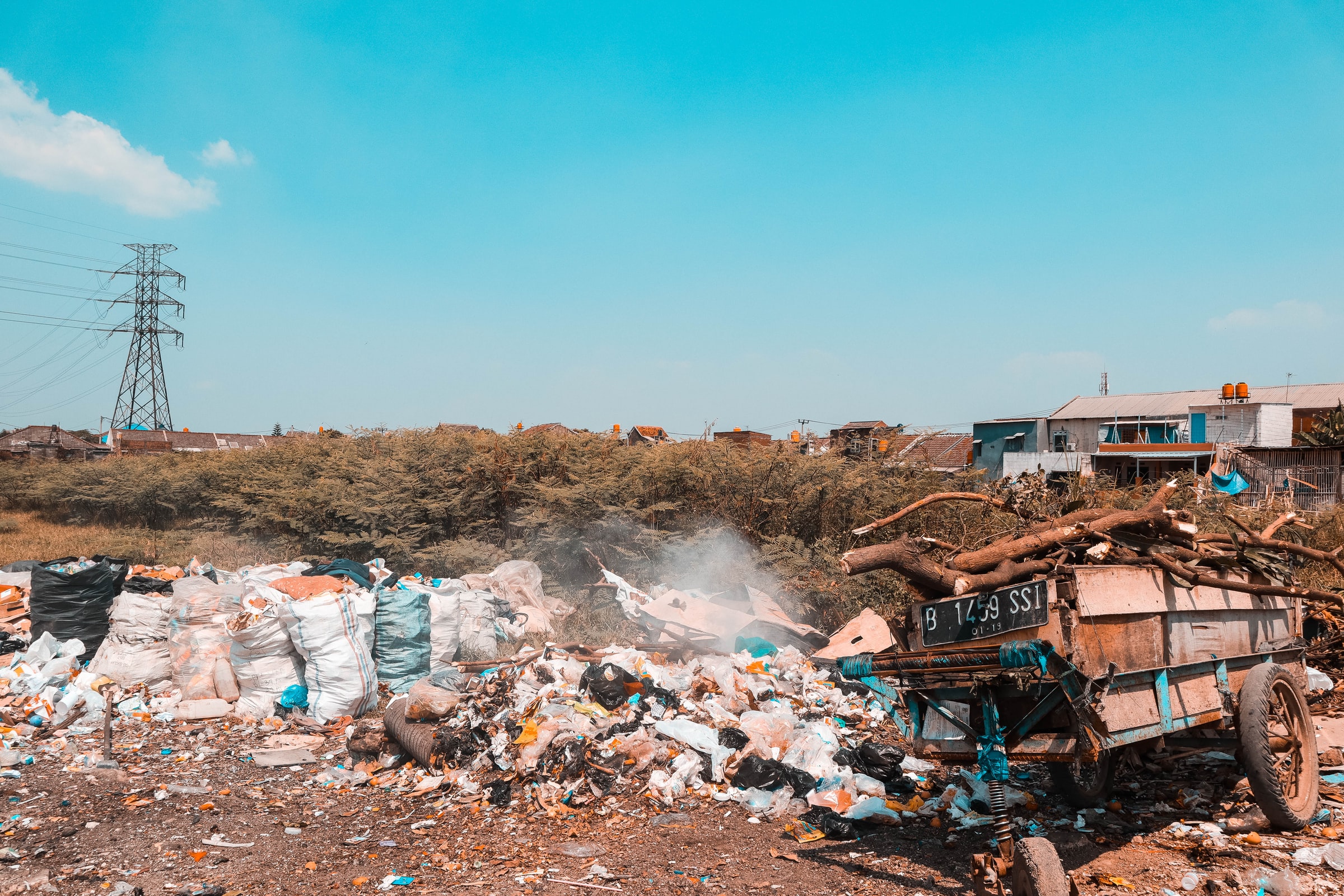
As we continue to embark on our journey to technological advancement, it would seem that when it comes to our nature and environment, we're taking steps backward. Every year, the Greenhouse Gases (GHGs) emissions rise rapidly more than what was expected in the last decade.
The Healthcare Industry Like any other industry, the medical industry has its fair share of contribution to climate change. Unfortunately, health care waste management globally is still lacking much-needed attention and proper implementation. Almost every other day, we read, see, and hear news about improper waste management in the manufacturing industry and even in hospitals and pharmaceutical companies.
The healthcare industry contributes to pollution and GHGs emissions in different forms. The use of unsustainable medical gear for surgery and checks such as medical gloves, protective gears needed, and syringes disposed of daily takes a long time to decay. And with the Covid19 pandemic, the use of personal protective equipment and medical masks not only by the health workers but by the local population as well. Hospital's energy consumption and transportation of patients and medical staff also contribute to climate change. However, saying the hospitals' carbon footprints in a short amount of time should be reduced sounds almost impossible. Even before the pandemic, there was already an alarming concern on how hospitals can be as sustainable and as eco-friendly as possible. The need for a more sustainable environment in hospitals should not be taken lightly. After all, the healthcare industry is here to stay.
The Healthcare Industry Like any other industry, the medical industry has its fair share of contribution to climate change. Unfortunately, health care waste management globally is still lacking much-needed attention and proper implementation. Almost every other day, we read, see, and hear news about improper waste management in the manufacturing industry and even in hospitals and pharmaceutical companies.
The healthcare industry contributes to pollution and GHGs emissions in different forms. The use of unsustainable medical gear for surgery and checks such as medical gloves, protective gears needed, and syringes disposed of daily takes a long time to decay. And with the Covid19 pandemic, the use of personal protective equipment and medical masks not only by the health workers but by the local population as well. Hospital's energy consumption and transportation of patients and medical staff also contribute to climate change. However, saying the hospitals' carbon footprints in a short amount of time should be reduced sounds almost impossible. Even before the pandemic, there was already an alarming concern on how hospitals can be as sustainable and as eco-friendly as possible. The need for a more sustainable environment in hospitals should not be taken lightly. After all, the healthcare industry is here to stay.