
How Do Hospitals Handle Infectious Waste?
11/4/2022
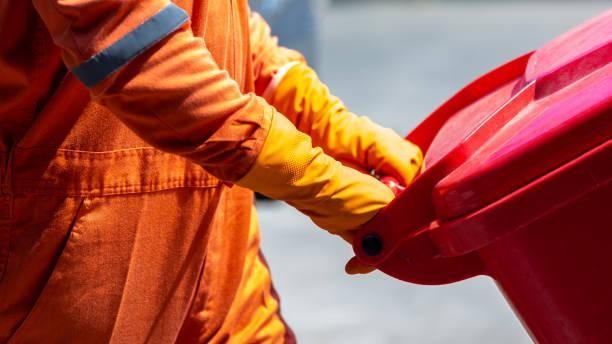
Infectious waste is the accumulation of hazardous biological waste that, if not properly handled, could cause serious health and safety risks. Infectious waste in most hospitals it's handled using technological advancements.
Incineration
The most common method of handling infectious waste is incineration. This is done in hospital incinerators that burn the waste at high temperatures and convert it into heat and ash. The heat generated from incineration destroys any microorganisms present within the waste material. The ash can then be disposed of in landfills or used to create other materials.
Chemical disinfection
Hospitals may also use chemical disinfectants to kill any germs that may be on the equipment or surfaces. These disinfectants are powerful enough to kill bacteria, viruses, and other pathogens without harming the environment. However, disinfection does not completely remove all germs from surfaces; it simply kills them so they do not grow back later.AutoclavingHospitals often use autoclaves to sterilize various instruments before using them on patients. The process uses steam to sterilize objects inside them at very high temperatures (around 250°C/480°F) for some time. Autoclaves are used in hospitals because they are very effective at killing germs without altering their shape or composition.
Microwave irradiation
Microwave irradiation is a treatment that uses microwaves to kill microbes that cause infectious diseases. The idea behind microwave irradiation is that it uses electromagnetic energy to penetrate tissues and kill pathogens. This process can be used on a wide range of materials, including medical waste such as needles, syringes and bandages.Final thoughtsThe method of handling infectious waste will depend on its quantity and the resources involved. Therefore, a hospital can use multiple methods to save on costs.
Incineration
The most common method of handling infectious waste is incineration. This is done in hospital incinerators that burn the waste at high temperatures and convert it into heat and ash. The heat generated from incineration destroys any microorganisms present within the waste material. The ash can then be disposed of in landfills or used to create other materials.
Chemical disinfection
Hospitals may also use chemical disinfectants to kill any germs that may be on the equipment or surfaces. These disinfectants are powerful enough to kill bacteria, viruses, and other pathogens without harming the environment. However, disinfection does not completely remove all germs from surfaces; it simply kills them so they do not grow back later.AutoclavingHospitals often use autoclaves to sterilize various instruments before using them on patients. The process uses steam to sterilize objects inside them at very high temperatures (around 250°C/480°F) for some time. Autoclaves are used in hospitals because they are very effective at killing germs without altering their shape or composition.
Microwave irradiation
Microwave irradiation is a treatment that uses microwaves to kill microbes that cause infectious diseases. The idea behind microwave irradiation is that it uses electromagnetic energy to penetrate tissues and kill pathogens. This process can be used on a wide range of materials, including medical waste such as needles, syringes and bandages.Final thoughtsThe method of handling infectious waste will depend on its quantity and the resources involved. Therefore, a hospital can use multiple methods to save on costs.