
Guidelines for Disposing Medical Waste
4/23/2021
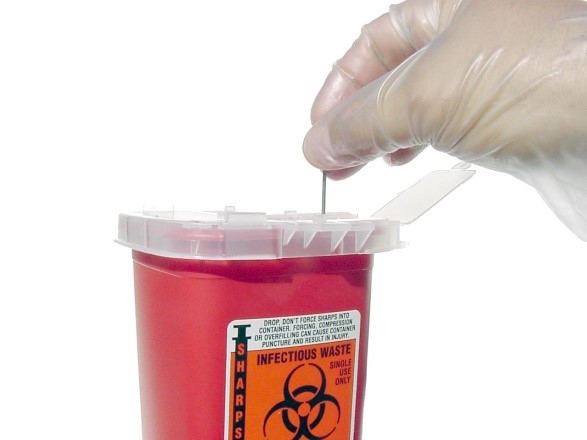
Medical waste disposal requires compliance with state and federal guidelines. However, regulations differ between the various types of waste, making it confusing for healthcare facilities.
To avoid this confusion, you need to learn the guidelines for medical waste disposal. Here is a detailed guideline to help you out.
1. Waste segregation
The first step in compliance is waste segregation. You need to classify the waste into infectious waste, microbiological waste, sharps waste, pharmaceutical waste, biohazard waste, pathological waste, and chemotherapy waste.
Federal and state regulations define how each type of waste should be disposed of. For example, there is a difference between how sharps and chemotherapy waste is collected and disposed of.
2. Storage and Transportation
Depending on the particular categories, medical waste is stored differently. According to the regulations issued by the Environmental Protection Agency, sharps should be placed in leak-proof, shatterproof, and durable containers and marked with the appropriate label.
Similarly, pharmaceutical waste is stored depending on the four hazardous categories of regulated hazardous, non-regulated hazardous, non-regulated non-hazardous, and minimization category.
Transportation of medical waste also follows the same guidelines issued by the Environmental Protection Agency depending on the specific type of waste.
3. Collection and Disposal
Companies or individuals licensed by EPA should do the collection and disposal of waste. The waste can be disposed of in a depot if it is not hazardous or infectious. However, there are guidelines issued by EPA on how to dispose of all types of waste.
Final Thoughts
Suppose you are confused about disposing of medical waste. In that case, the above guide will help you understand the various medical waste disposal regulations in your area.