Adapting to 2025: New Medical Waste Disposal Rules in San Diego
12/12/2024
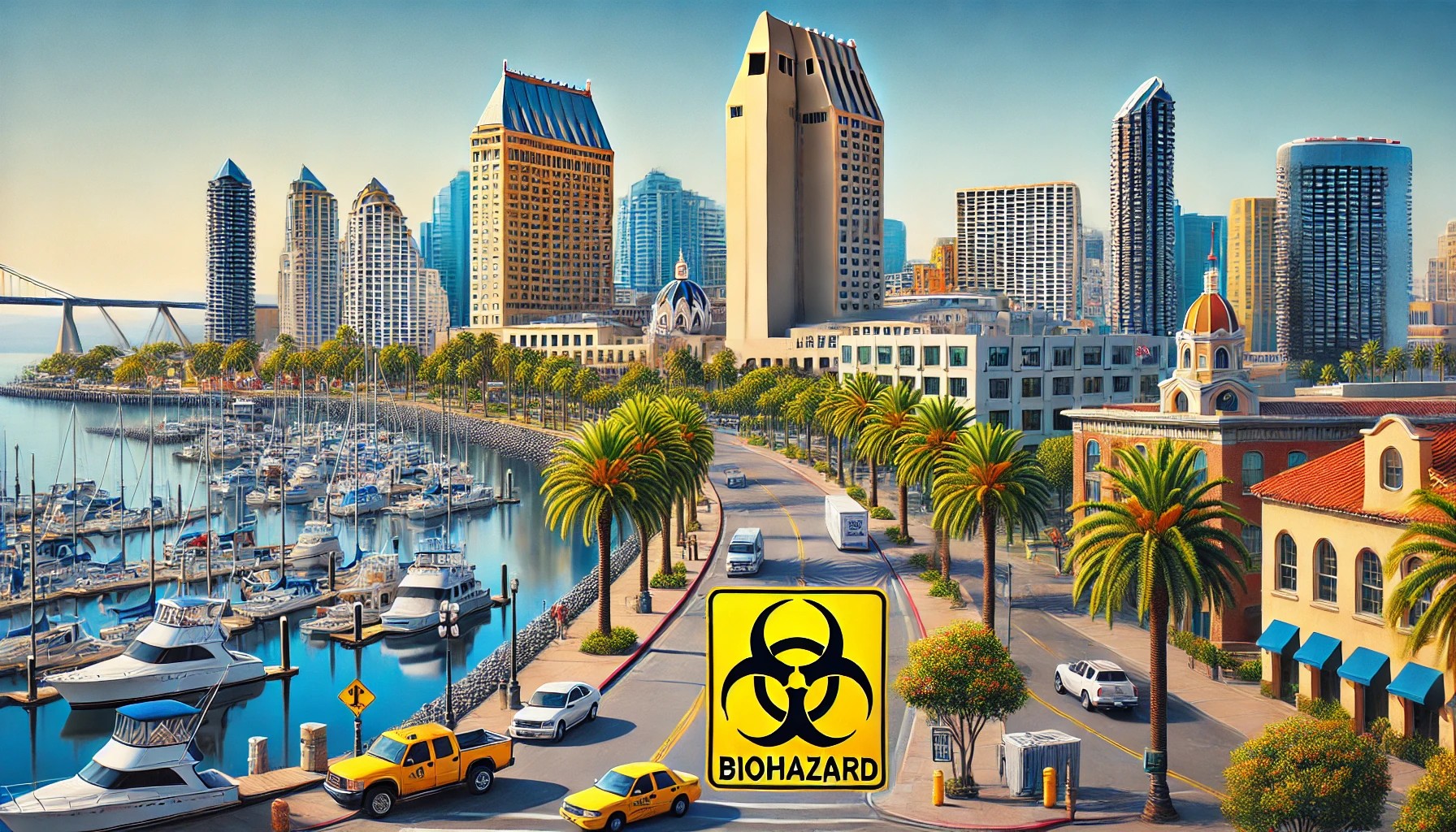
Navigating New Rules and Regulations for Medical Waste Disposal in San Diego
San Diego, with its top-notch medical facilities and dedication to sustainability, is continuing to adjust to evolving medical waste disposal regulations in 2025. These updates, which build upon rules introduced in 2024, aim to further protect public health and the environment while ensuring healthcare facilities stay compliant with state and federal laws. Here’s a breakdown of what’s currently required and what it means for healthcare facilities and waste disposal companies.
The updated medical waste rules in San Diego, reflecting California’s ongoing push for safety and sustainability, now emphasize:
Expanded Waste Segregation Requirements: As of January 1, 2025, facilities must implement additional measures to segregate emerging waste streams, such as electronic medical devices and chemical waste, ensuring proper handling and disposal.
Enhanced Digital Tracking Systems: By March 31, 2025, all medical waste generators must integrate advanced digital tracking systems capable of real-time monitoring to further improve transparency and reduce the risk of errors in handling.
Shortened Disposal Timeframes: Starting April 1, 2025, facilities are required to treat or dispose of untreated biohazardous waste within five days if stored above freezing temperatures, ensuring quicker turnover to minimize risks.
Revised Licensing and Inspections: By June 30, 2025, medical waste disposal companies must undergo additional annual inspections and adhere to new operational standards that include environmentally friendly disposal practices.
Increased Oversight of Pharmaceuticals: Effective February 1, 2025, pharmaceutical waste disposal protocols now require stricter documentation, including detailed logs of controlled substances to prevent diversion and ensure safe destruction.
If you’re managing a hospital, clinic, or lab in 2025, these changes mean continued effort to refine your waste management practices:
Conduct Regular Staff Training: Schedule quarterly sessions to keep employees updated on new segregation protocols and handling practices.
Invest in New Equipment: Expand your inventory to include containers and tools for specialized waste streams like electronic and chemical materials.
Audit Internal Policies: Perform a mid-year review to ensure compliance with updated guidelines and adapt to any unexpected changes.
Strengthen Vendor Relationships: Work with certified disposal providers that have demonstrated compliance with the latest operational and environmental standards.
The 2025 updates aim to further address ongoing challenges in medical waste management, prioritizing health, sustainability, and accountability:
Minimizing Environmental Footprint: Advanced segregation and quicker disposal reduce the likelihood of pollution and contamination.
Improving Public Safety: Additional oversight ensures hazardous materials are handled responsibly, protecting both workers and the community.
Boosting Recycling Initiatives: More waste types are now eligible for recycling, aligning with California’s ambitious sustainability goals.
To stay ahead in 2025, healthcare facilities should:
Perform a Compliance Check: Evaluate your current waste management systems to identify areas that need adjustment.
Develop a Training Plan: Build a robust schedule for staff education and include updates on new regulatory requirements.
Leverage Technology: Invest in digital tools that streamline tracking and improve documentation processes.
Engage in Community Programs: Participate in local waste recycling and sustainability initiatives to contribute to broader environmental goals.
By proactively adapting to these regulations, San Diego’s healthcare facilities can continue to meet high standards of safety and sustainability while contributing to a cleaner, healthier community.