
Current Practices in Keeping Hospitals Clean
10/31/2022
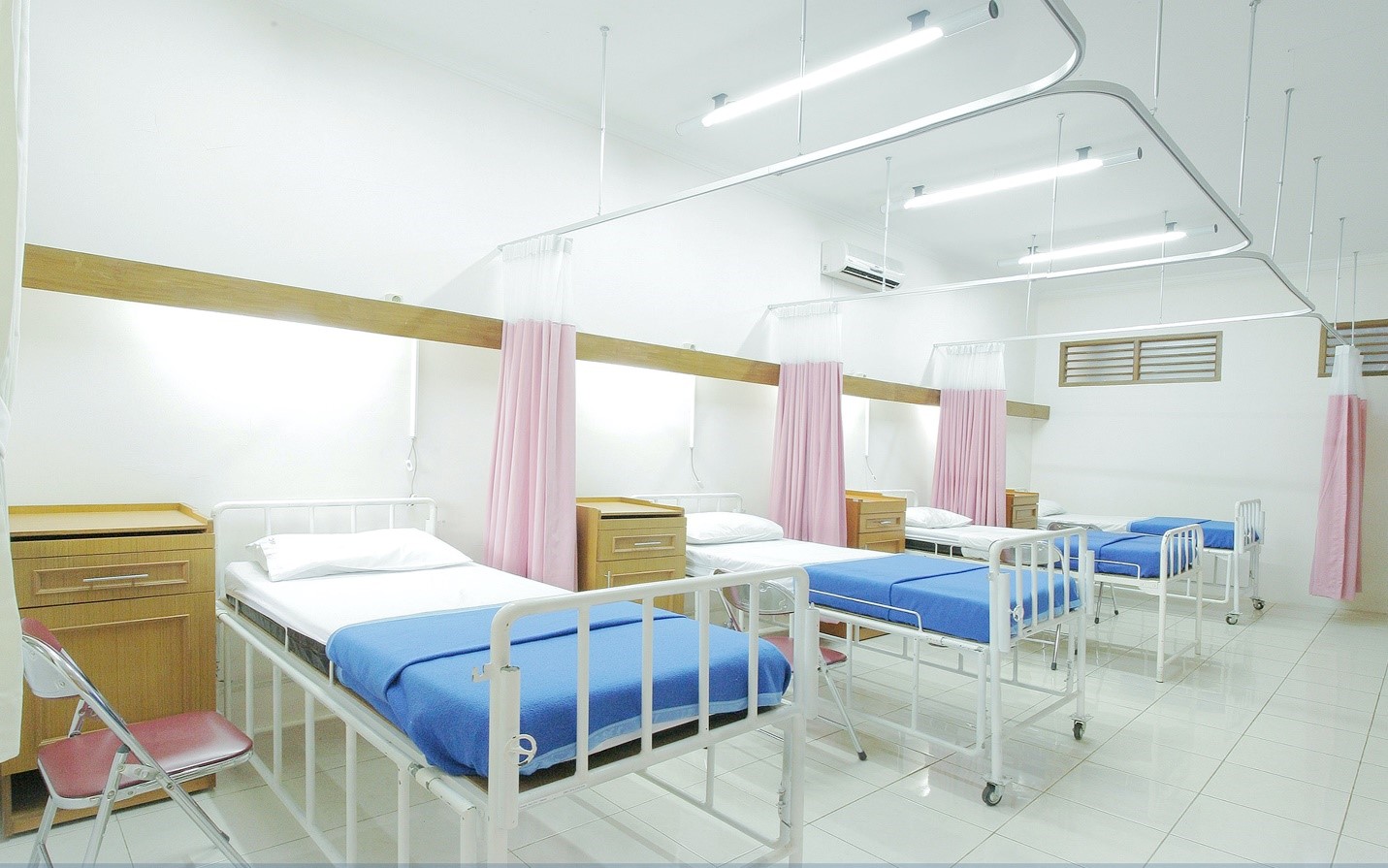
Hospitals should always be committed to a clean care environment and take precautionary measures to keep providers, patients, and staff safe. Infectious diseases must be managed by maintaining the cleanliness of the physical facility.
1. Comply with Standard Infection Prevention Practices
This includes compliance with hand hygiene protocols and the utilization of personal protective equipment. There must be access to soap and hand sanitizer inside the facility. Cleaning agents, supplies, and disinfectants must meet infection control standards on the federal and state levels.
2. Clean and Disinfect Sterile Areas
Have a team carry out terminal cleaning of sterile areas such as procedural and operating rooms. This must be conducted in a way that meets industry best practices and standards.
3. Pay Attention to High-Touch Spaces
High-touch surfaces and items are often found in high-traffic locations, which therefore need enhanced disinfection and cleaning.
4. Increase Inspections and Rounds
This allows for the monitoring of compliance with cleaning and disinfection standards.
5. Educate and Train
Cleaning techniques should be reinforced when necessary. Staff members must also learn the latest recommendations for the prevention of infection.
By testing ATP, the cleanliness and sterility of surfaces and spaces can be validated.
Conclusion
A sick patient is bad enough, but an outbreak is several times worse. Hospitals need to properly integrate infection prevention into their cleanliness systems to ensure the safety of hospital staff, patients, and visitors alike.
Here are several steps to ensure that infectious diseases can be controlled inside hospitals:
This includes compliance with hand hygiene protocols and the utilization of personal protective equipment. There must be access to soap and hand sanitizer inside the facility. Cleaning agents, supplies, and disinfectants must meet infection control standards on the federal and state levels.
2. Clean and Disinfect Sterile Areas
Have a team carry out terminal cleaning of sterile areas such as procedural and operating rooms. This must be conducted in a way that meets industry best practices and standards.
3. Pay Attention to High-Touch Spaces
High-touch surfaces and items are often found in high-traffic locations, which therefore need enhanced disinfection and cleaning.
4. Increase Inspections and Rounds
This allows for the monitoring of compliance with cleaning and disinfection standards.
5. Educate and Train
Cleaning techniques should be reinforced when necessary. Staff members must also learn the latest recommendations for the prevention of infection.
6. Test Equipment
Conclusion
A sick patient is bad enough, but an outbreak is several times worse. Hospitals need to properly integrate infection prevention into their cleanliness systems to ensure the safety of hospital staff, patients, and visitors alike.