
Crisis Management in Medical Waste Disposal
7/31/2024
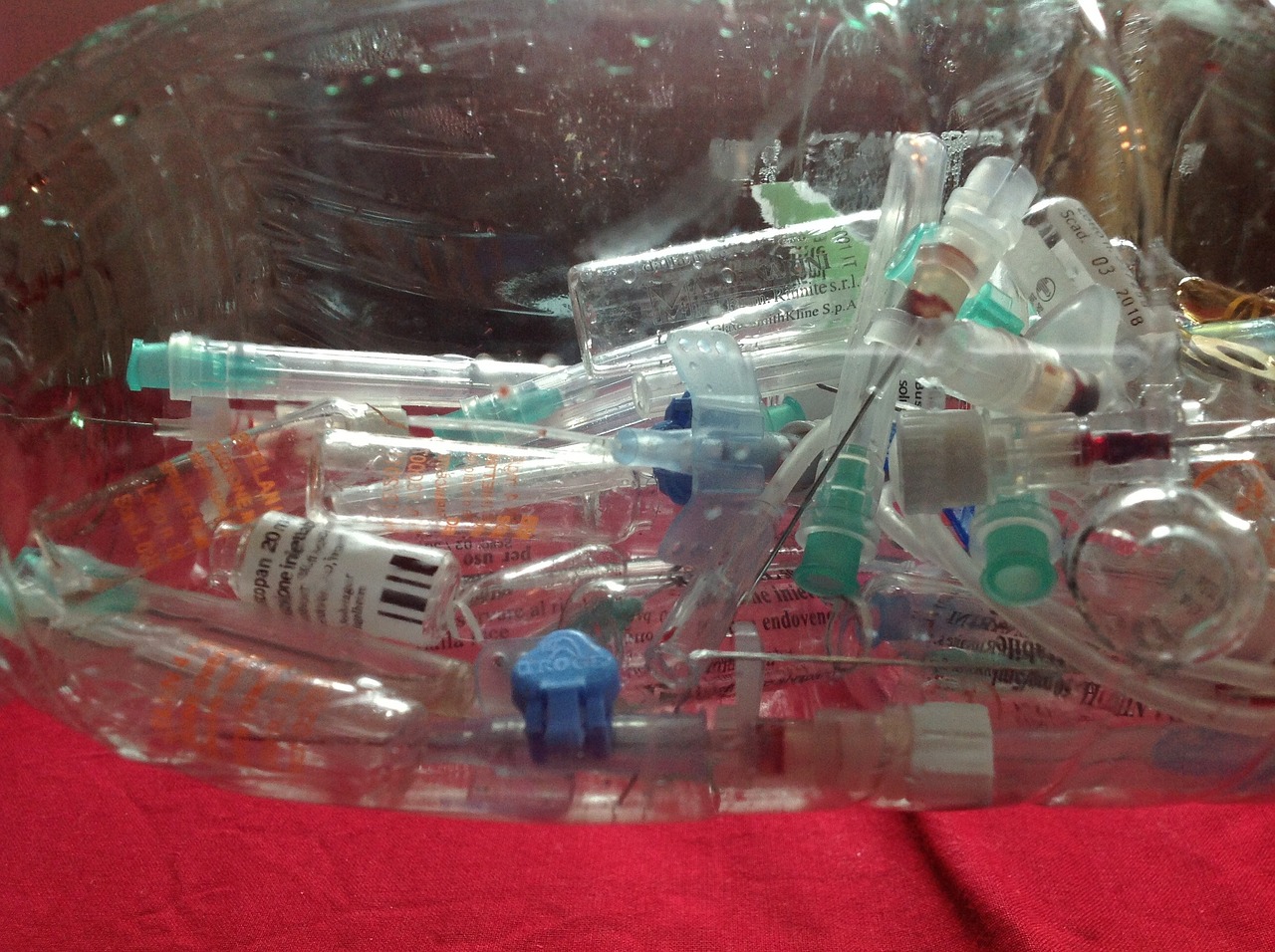
According to a JAMA study, the US healthcare system spends an astounding amount of money on waste. This raises questions about how to manage various waste kinds and adhere to stringent regulations. So how can medical facilities approach this problem?
The Crisis is Waste Management
Healthcare waste management is loaded with challenges because of the various waste categories and disposal regulations. Facilities generate a variety of wastes, such as recyclables, solid, food waste, medical, pharmaceutical, infectious, and hazardous waste.
It is a complicated process because each type calls for different handling and disposal procedures. To prevent damage, hazardous waste must be stored securely. Infectious waste must be handled carefully and kept in containers that can withstand punctures.
Solutions for Waste Management Crisis
Simplifying waste management in healthcare facilities requires effective waste segregation at the source. By using reusable medical devices and minimizing packaging waste, healthcare facilities can also adhere to waste minimization.
Programs for extensive education and training are also crucial. Employee participation in waste management initiatives goes up when they receive training on the value of recycling programs, waste reduction, and sustainable practices.
Improvement and Evaluation
Setting up regular audits, performance reviews, and feedback channels helps facilities to pinpoint problem areas and take remedial action. These audits and assessments can be carried out by several departments.
Healthcare facilities can improve their waste management capabilities by working in partnership with outside parties, such as sustainability organizations. Partnerships in the waste collection sector guarantee continued adherence to legal requirements.