
Color Coding in Waste Management
1/12/2021
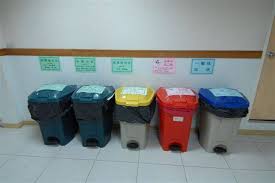
In order to achieve proper medical waste disposal, a hospital fulfills its role by using a systematized and rigid procedure. Hazardous wastes, for example, are designated to particular waste bins to avoid the potential of health risks. The following color scheme for medical waste disposal is widely carried out:
Hazardous Medical Waste
• Red – is solely used for anatomical wastes. Organs, body parts, or blood bags that are to be disposed of go here. The wastes are secured in firm-lidded containers specified for clinics.
• Orange – used bandages, dressings, and all personal protective equipment (PPE) such as gloves, and aprons are disposed to this container.
• Yellow (with Infectious Substance symbol) – for all wastes that contain infectious body fluids such as masks, gloves, or hospital garments, the disposal should undergo incineration.
• Purple – is identified for highly reactive drugs or items (cytotoxic or cytostatic) that are needed to be thrown away.
Non-Hazardous Medical Waste
• Yellow – for the uncontaminated wastes and items that are not infectious go to this specific receptacle (i.e yellow soft waste bags).
• Blue – medicinal wastes (e.g. expired drugs, unconsumed or outdated medicines) are thrown into this container.
Toxic Medical Waste
• White – is commonly used for wastes produced in dental clinics. Proper scrapping of chemicals such as mercury and dental amalgam will help avoid radiation exposure and respiratory disorders on people in the area.
Uncontaminated Medical Waste
• Black – rubbish that is considered as an everyday item like food wrappers or disposable cups are discarded into black trash bags.
Proper waste management is more than beneficial to medical institutions. Even a lot of money is saved in the process. If strictly implemented, it can help sustain the hospital’s healthy environment as it creates a safe place for healing and treatment.
Hazardous Medical Waste
• Red – is solely used for anatomical wastes. Organs, body parts, or blood bags that are to be disposed of go here. The wastes are secured in firm-lidded containers specified for clinics.
• Orange – used bandages, dressings, and all personal protective equipment (PPE) such as gloves, and aprons are disposed to this container.
• Yellow (with Infectious Substance symbol) – for all wastes that contain infectious body fluids such as masks, gloves, or hospital garments, the disposal should undergo incineration.
• Purple – is identified for highly reactive drugs or items (cytotoxic or cytostatic) that are needed to be thrown away.
Non-Hazardous Medical Waste
• Yellow – for the uncontaminated wastes and items that are not infectious go to this specific receptacle (i.e yellow soft waste bags).
• Blue – medicinal wastes (e.g. expired drugs, unconsumed or outdated medicines) are thrown into this container.
Toxic Medical Waste
• White – is commonly used for wastes produced in dental clinics. Proper scrapping of chemicals such as mercury and dental amalgam will help avoid radiation exposure and respiratory disorders on people in the area.
Uncontaminated Medical Waste
• Black – rubbish that is considered as an everyday item like food wrappers or disposable cups are discarded into black trash bags.
Proper waste management is more than beneficial to medical institutions. Even a lot of money is saved in the process. If strictly implemented, it can help sustain the hospital’s healthy environment as it creates a safe place for healing and treatment.