
Are Hospitals Throwing Out Waste Sustainably?
8/8/2022
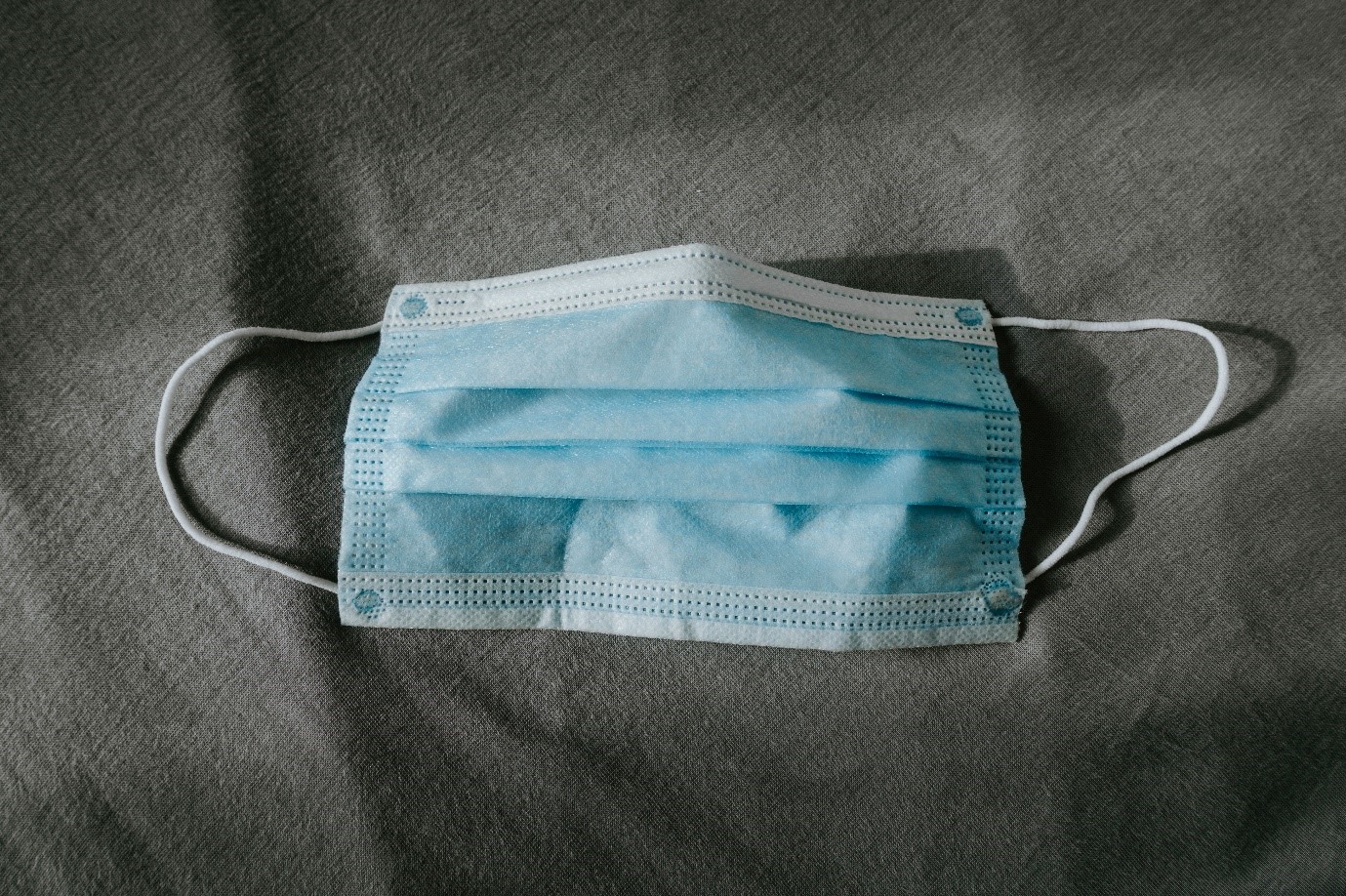
It's no surprising news that some hospitals, clinics, and other healthcare facilities aren't implementing environment-friendly disposal of medical waste. So, how should the healthcare industry get rid of these hazards responsibly and sustainably?
Most healthcare pundits observe the following four phases of making effective medical waste management a reality.
1. Planning
A solid action plan can make or break your waste management implementation. During this initial phase, medical facilities must draft their disposal strategies and respective roles for individual members.
2. Reduction
The second phase of efficient medical waste management has to be minimal waste generation as much as possible. To accomplish an acceptable waste reduction standard, procure digital thermometers, recyclable plastics, and other greener options.
3. Segregation
Healthcare waste partitioning is not only the third phase of biohazard management on this list; it's also the most important one. During this stage, hospitals, clinics, laboratories, and the like need to place appropriate waste identifiers or labels for each color-coded bin.
4. Disposition
Finally, the disposal phase doesn't simply stand for chucking waste away. It mainly comprises different medical waste treatments (disinfection, grinding, shredding, steam sterilization) before relinquishment at a disposal facility.
Conclusion
Some hospitals may not be sustainably throwing their medical waste away, but they can still apply the above steps to minimize their impact on our natural habitat.
Most healthcare pundits observe the following four phases of making effective medical waste management a reality.
1. Planning
A solid action plan can make or break your waste management implementation. During this initial phase, medical facilities must draft their disposal strategies and respective roles for individual members.
2. Reduction
The second phase of efficient medical waste management has to be minimal waste generation as much as possible. To accomplish an acceptable waste reduction standard, procure digital thermometers, recyclable plastics, and other greener options.
3. Segregation
Healthcare waste partitioning is not only the third phase of biohazard management on this list; it's also the most important one. During this stage, hospitals, clinics, laboratories, and the like need to place appropriate waste identifiers or labels for each color-coded bin.
4. Disposition
Finally, the disposal phase doesn't simply stand for chucking waste away. It mainly comprises different medical waste treatments (disinfection, grinding, shredding, steam sterilization) before relinquishment at a disposal facility.
Conclusion
Some hospitals may not be sustainably throwing their medical waste away, but they can still apply the above steps to minimize their impact on our natural habitat.