
The Role of Medical Waste Management in Infection Control
8/4/2024
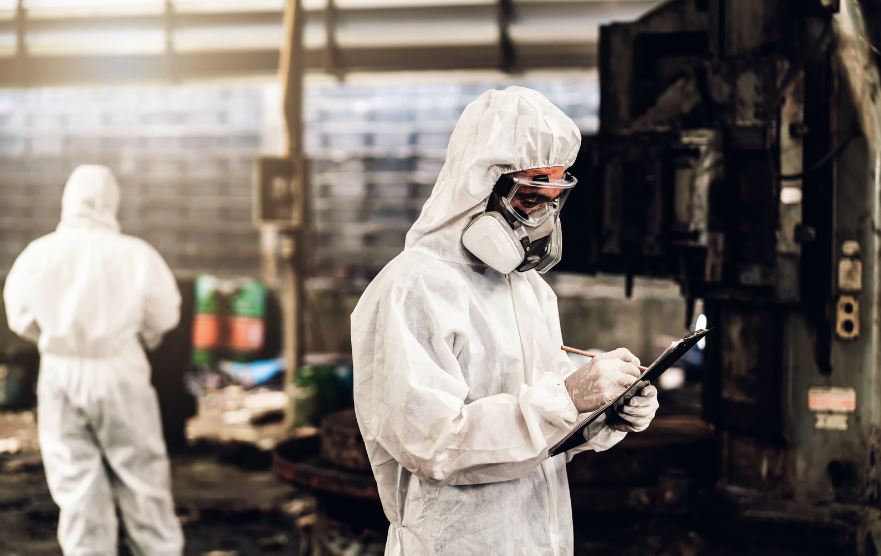
Healthcare facilities have historically categorized waste according to the risk of infection. Used bandages and other infectious waste are disposed of in special bags. The issue? A lot of healthcare professionals simply don't know which is which.
A "better safe than sorry" attitude results from this uncertainty. But there is a price to this "just-in-case" strategy. Imagine someone disposing of a perfectly good plastic container because they are unsure if it came into contact with anything contagious.
The good news is that healthcare staff need to receive more training on correct waste sorting techniques. In order to promote proper disposal, hospitals should also think about employing clear bin labels and placing various types of bins in strategic locations.
But what about the waste that is already contaminated? Usually, it is removed for burning by particular companies. However, infectious waste can now be converted into safe, reusable material by on-site sterilization equipment.
Additionally, the hospital maintains control over important resources. Consider an instance where waste accumulates outdoors, providing an ideal environment for the spread of infection. That risk is removed by on-site sterilization.
What therefore can hospitals do? For every size facility, there is a solution, ranging from compact sterilizers to larger on-site machines. Hospitals are better able to control expenses and environmental impact thanks to this flexibility.
In the end, infection control calls for a multifaceted strategy. The three most important factors are education, cutting-edge technology, and adaptability. Hospitals can create a situation where everyone wins by embracing these changes.