
The Economics of Medical Waste Management
7/31/2024
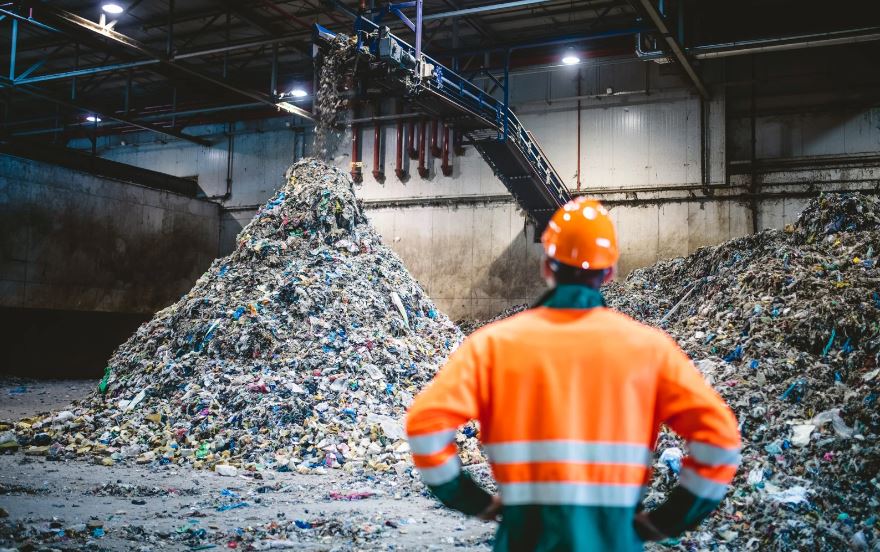
Although the medical sector saves lives, it also produces a large amount of waste. If this waste is not properly managed, there may be major risks to human health and the environment. Medical waste management, luckily, can help with that.
A recent report estimates that the healthcare waste management market will grow at a rate of nearly 6% annually from its estimated $9.2 billion market value in 2023 to $12.2 billion in 2028. What then is the cause of this growth? There are a few vital components.
First, the quantity of medical waste produced rises in tandem with the number of people suffering from chronic illnesses. Second, there is an increase in medical waste due to the rising number of surgeries and other procedures.
The fact that developing nations like Japan, India, and other Asian nations are beginning to invest more in healthcare infrastructure is another factor fueling the growth of this industry. There will also be more medical waste to handle as a result.
At the moment, businesses that gather, transport, and store medical waste account for the largest portion of the market. Additionally, the demand for effective waste collection will only increase due to the development of novel medical techniques and equipment.
In summary, the growing volume of medical waste and tighter regulations are some of the most deciding factors in the medical waste management industry. Despite certain obstacles and challenges, such as high upfront costs, the future appears promising for the players.