
Safe Disposal of Sharps and Needles
8/4/2024
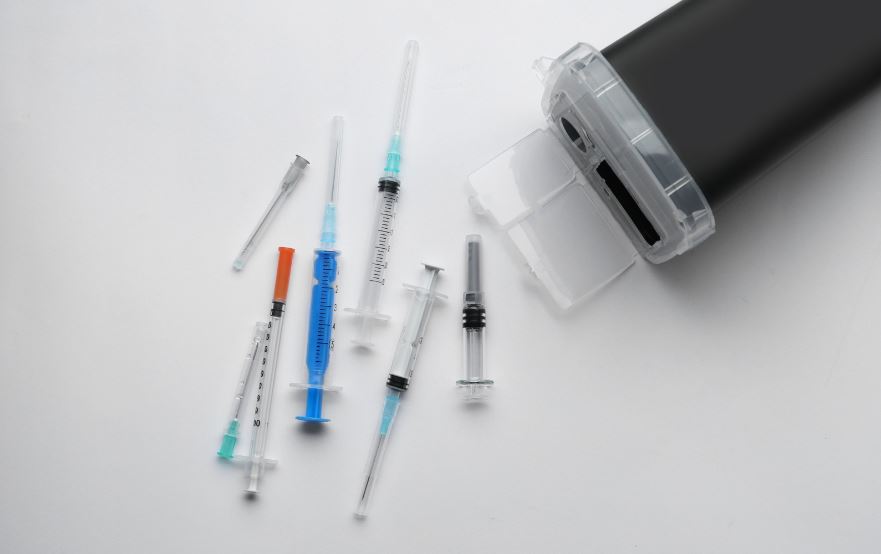
Think about needles and scalpels. These healthcare essentials, called sharps, are vital for treatment, but they also present risks if not disposed of appropriately. Sharps handling is a common task for medical personnel, but improper disposal can endanger patients, other healthcare workers, and even the environment.
Preventing Injuries
What precisely are sharps, then? Imagine anything that can pierce your skin, such as some dental tools, broken glass, and even needles. These should be handled carefully because they may carry infectious diseases like HIV and hepatitis.
To prevent injuries, sharps from medical facilities go in special containers. Everyone will be kept safe thanks to the container's design, which guards against leaks and punctures. Sharps containers should be placed in exam rooms as well as other areas in hospitals and clinics.
However, you have to understand that not everything belongs in those sharps containers. Bandages, gauze, alcohol wipes, medications, liquids, and even batteries are a no-go. By abiding by these rules, everyone stays safe and stays out of legal trouble.
Sharp Disposal
Once a sharps container is completely filled, an authorized medical waste disposal business takes it away. Certain states have disposal time limits. Mail-back options are available for smaller amounts of sharps waste, making disposal convenient.
Sharps disposal is overseen by multiple government agencies. While Occupational Safety and Health keeps workers safe by mandating appropriate containers, staff training, and injury reporting, the Department of Transportation guarantees safe transportation.
Don't forget state laws – they might have local rules, so double-check before disposing of your sharps. By taking these precautions, everyone can contribute to the safe disposal of sharps, safeguarding patients, healthcare professionals, and the environment.